

Marble, granite and quartzite are all highly popular and functional choices of natural stone for your Sydney-based kitchen. But how do you choose between them?
In this article, we will break down the similarities and differences to help you know which is right for your kitchen countertop.
Find out more about using natural stone in your kitchen here.
Should You Use Natural Stone in Your Kitchen?
For most high-traffic Sydney kitchens, natural stone provides the best balance of strength, stain resistance, aesthetic and value.
Kitchens can be subject to high levels of activity and liquid exposure, whilst still being a focal visual point to the home. So finding the right, beautiful, yet hardy material for your kitchen countertop is critical.
What Is the Difference Between Marble, Granite and Quartzite Countertops?
Whilst all three of these materials are natural stones, they bring different strengths and weaknesses to the table.
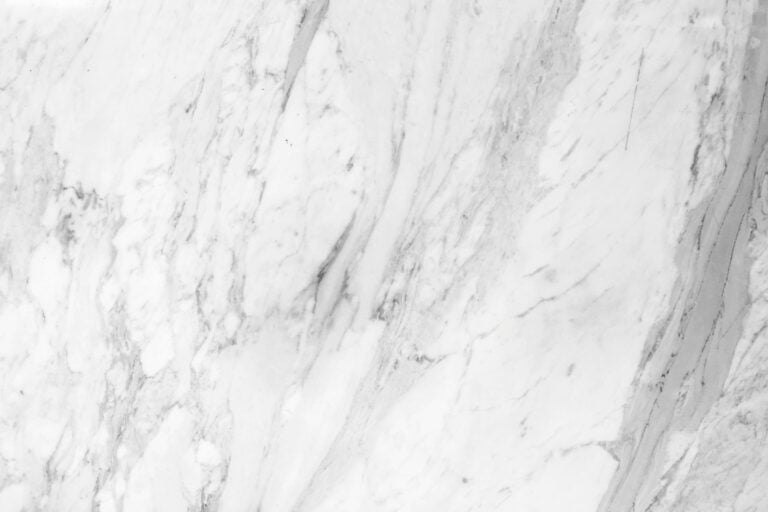
- Generally softer and more porous
- Can etch or stain more easily without proper sealing
- Unmatched aesthetic with its luxury iconic look
- Unique veining patterns
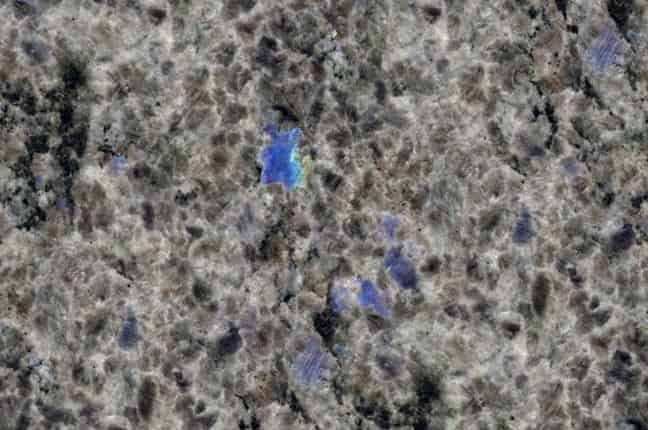
- High level of hardiness and durability
- High level of heat resistance
- Relatively low maintenance requirements
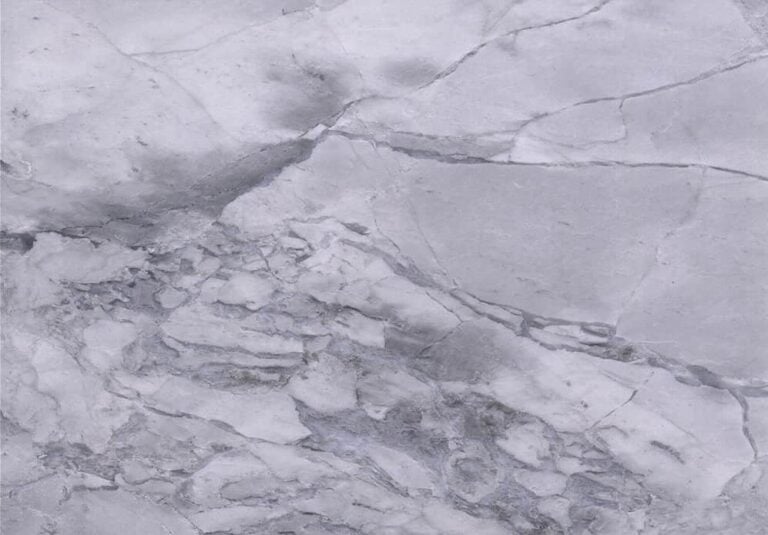
- Can be hardier than the other varieties depending on slab density
- Range of patterns and shading colours
- High level of resistance to etching and scratching
How Do Aesthetics Differ and Which Looks Are Popular Choices in Sydney Kitchens?
Marble Aesthetic
Marble stone is iconic, and for good reason. The classic marble look of white or offwhite, complemented by grey or gold veining and patterns make for an opulent and spectacular aesthetic addition to your kitchen.
Granite Aesthetic
Granite is a unique stone thanks to its crystalline make-up. With a wide spectrum of colours available, granite stone brings with it a visual depth and character that can enhance not just your countertop but the entire kitchen.
Quartzite Aesthetic
Quartzite is a stone that can both emulate some of the more classic marble-visual or be found with unique colour schemes and intricate patterns, highly suitable to contemporary and/or minimalist kitchen applications.
Fortunately, all three types of stone can be found in a surprisingly wide variety of colours and patterns. Browse for yourself on our webpage or come into our showroom for an in-person tour.
Which Stone Is the Most Durable?
Whilst all three forms of stone are highly durable, especially with regular maintenance and resealing, they do differ in specifics when it comes to kitchen applications.
Stone | Durability | Best Application |
|---|---|---|
Marble | Relatively softer and more porous | Luxury kitchens with moderate to low |
Granite | Highly durable against everyday use including heat, scratches and staining | Use in kitchens exposed to high traffic and activity |
Quartzite | Very hardy stone and resistant to abrasion and heat | Good for use in kitchens with moderate activity |
Which Type of Natural Stone Is Most Expensive?
Granite is generally considered to be the most cost-effective form of natural stone.
Marble and quartzite, while they can range from medium-cost to high-range, are most often the more expensive type of stone.
What can Impact the Price of Stone?
- How rare the stone is
- Where it is sourced from
- How thick the slab is
- How big the slab is
- How many slabs are required for your application
- How much edge profiling, cutting or finishing is required
How Can You Save Money with Your Stone Countertop?
There are actually a few ways in which you can bring down the cost of your granite, marble or quartzite kitchen countertop.
- Choose Euro Marble for industry-leading prices without sacrificing stone quality
- Use your chosen granite, marble or quartzite as a premium stone for your countertop but a more economical grade for your kitchen’s rear benches
- Enquire about using remnant stone slabs for smaller elements of the kitchen to bring down overall cost
How Do You Maintain Each Stone Countertop?
Marble, granite and quartzite kitchen countertops can and should all be maintained in almost identical ways.
- Regularly (ever year or two) reseal your stone countertop by a professional, such as our team here at Euro Marble
- Always immediately clean up spills on your kitchen benchtop
- Blot up spills, don’t rub or wipe
- Avoid acidic or chemical cleaners
- Use pH-neutral or stone-specific cleaners
- Avoid using harsh sponges
- Wipe down the counter daily with a warm, damp, soft cloth e.g., microfibre
When Should You Choose Granite, Marble or Quartzite for Your Sydney Kitchen?
When to choose Marble
- Are you designing a luxury kitchen where aesthetics are the most important?
- Are you able to regularly reseal the marble?
- Are you willing to ensure daily cleaning to maintain the stone’s character and shine?
If the answers were yes, marble may be the right choice.
When to choose Granite
- Do you have a high-traffic or family-oriented kitchen
- Do you need high levels of heat and scratch resistance?
- Do you want bold colours and aesthetics?
If the answers were yes, granite may be the right choice.
When to choose Quartzite
- Are you after the marble look but need more durability?
- Do you want to prioritise moderate amounts of maintenance?
- Is your kitchen exposed to moderate levels of activity and traffic?
If the answers were yes, quartzite may be the right choice.
FAQs about Marble, Granite and Quartzite Countertops
Whilst all three types of natural stone are hardy and durable, granite and quartzite are the most durable options.
Marble is a softer and more porous form of stone. However, regular, professional sealing, prompt cleaning and daily maintenance habits can significantly reduce staining likelihood.
The ideal frequency will depend on the type of stone and type of activity it sees. In general, we recommend between every one and three years.
Whilst some forms of natural stone, like granite and quartzite, are more heat resistant than others, we never recommend placing hot pots directly onto a stone countertop.
Always use a trivet or other kitchen accessories to best protect your precious stone.