

While marble has long been the go-to choice for homeowners seeking a sophisticated, polished finish, a new contender is gaining serious ground. Travertine — with its organic porous texture, earthy tonal variations, and accessible price point — is fast becoming one of the most sought-after natural stones in interior design. Across Sydney homes, the material has seen a particular surge in popularity, with designers and renovators drawn to its warmth and character. Whether you’re renovating a bathroom, redesigning your kitchen, or upgrading an outdoor entertaining area, here’s everything you need to know about incorporating travertine throughout your home.
What Is Travertine Stone? Origins and Key Characteristics
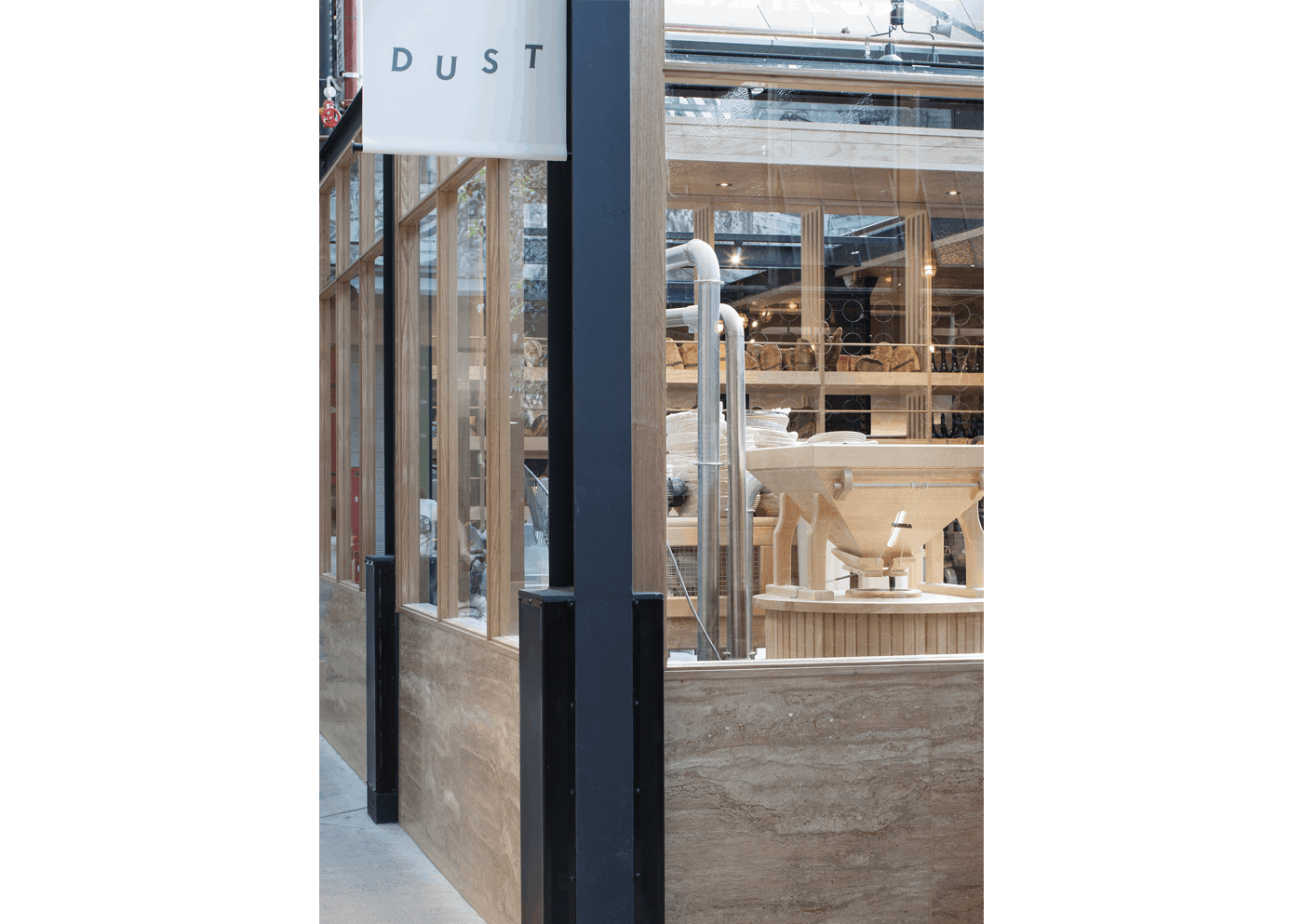
Travertine is a naturally occurring limestone formed through the evaporation of calcium-rich water in hot springs and mineral caves — predominantly found across Mediterranean regions. This unique formation process is responsible for the stone’s signature characteristic: a beautifully porous, textured surface unlike any other building material.
Its history as a construction material spans millennia. The ancient Romans relied on it heavily — from grand aqueducts to the iconic Colosseum itself — a testament to its remarkable longevity. As a natural stone, travertine is inherently resistant to wear, heavy foot traffic, and the elements, making it equally suited to indoor and outdoor applications.
Is Travertine the Same as Marble? Understanding the Difference
Both travertine and marble are classified as limestone, but they form through entirely different geological processes. Marble is created when limestone is subjected to immense underground heat and pressure, producing its characteristic smooth, crystalline surface. Travertine, in contrast, forms through mineral-water evaporation at the earth’s surface, resulting in a much lighter and more porous stone.
Its history as a construction material spans millennia. The ancient Romans relied on it heavily — from grand aqueducts to the iconic Colosseum itself — a testament to its remarkable longevity. Closer to home, Sydney architecture has long embraced natural stone as a hallmark of quality craftsmanship, and travertine fits seamlessly into that tradition. As a natural stone, travertine is inherently resistant to wear, heavy foot traffic, and the elements, making it equally suited to indoor and outdoor applications.
Popular Types of Travertine: Colours and Varieties Explained
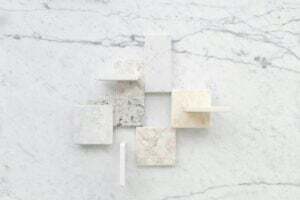
Travertine is quarried across the globe, with each region producing stone with distinct visual qualities. Here are the most commonly available varieties:
• Classic or White Travertine: Creamy white to light beige tones with subtle veining. Popular options include white Travertine Navona and White Travertine.
• Silver or Grey Travertine: A cool-toned stone with light grey and silver colouring complemented by darker veins. Well-known varieties include titanium and Silver Travertine.
• Gold or Yellow Travertine: Warm yellow hues with golden and brown veining, ideal for creating rich, inviting spaces. Common types include Roman Travertine and Travertine Rustico.
• Walnut Travertine: Earthy brown and deep walnut tones with subtle textural variation — perfect for grounded, nature-inspired interiors. Common types include Travertine Onyx.
• Pink Travertine: Soft blush and pink undertones for a warm, organic aesthetic.
• Red Travertine: A rare and striking variety ranging from light rose to deep burgundy tones, primarily sourced from Iran.
Travertine Finishes: Which One Is Right for Your Space?
Travertine is available in three main finishes, each suited to different applications and aesthetics:
1. Polished: A glossy, colour-rich surface that is stain resistant but can be slippery underfoot when wet.
2. Honed: The most widely used finish for travertine flooring — a flat, smooth, matte surface that balances beauty with practicality.
3. Brushed: A wire-brushed surface that enhances the stone’s natural texture for added tactile interest.
Using Travertine in the Kitchen: Benchtops, Splashbacks and Flooring
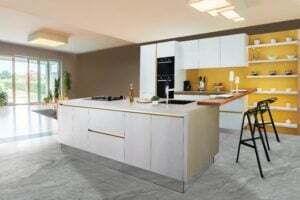
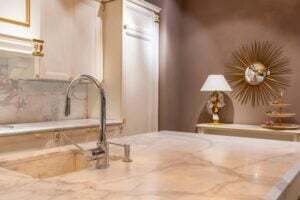
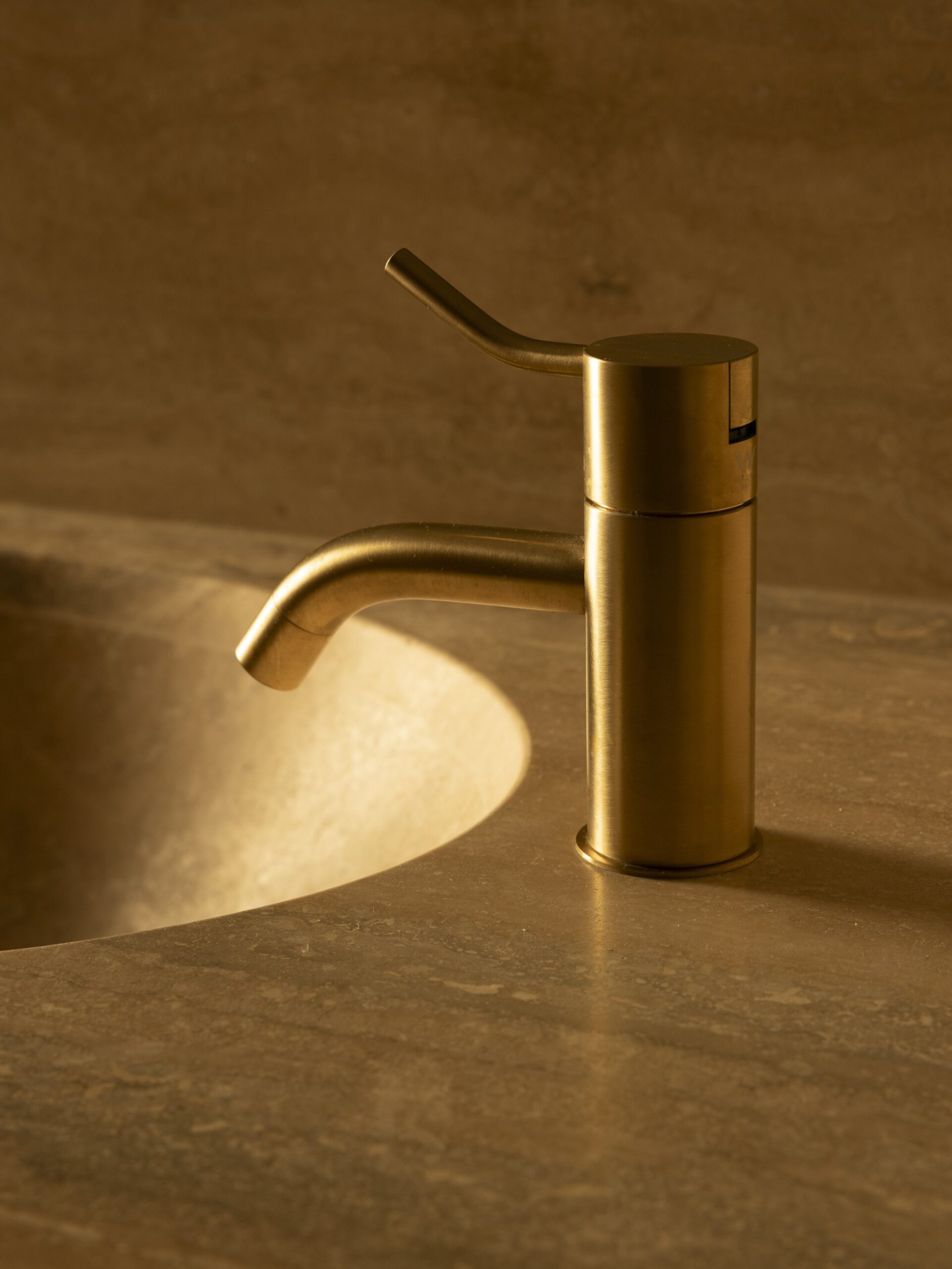
Travertine brings a sense of natural warmth and understated elegance to kitchen spaces. Its textured appearance offers a compelling alternative to more conventional options like granite or quartz, and it works beautifully as a benchtop material, splashback, or kitchen flooring.
Available in a wide range of finishes and colours, travertine can adapt to everything from contemporary minimalist kitchens to warm, provincial schemes. For best results, pair travertine benchtops with timber cabinetry and brushed brass or copper tapware for a cohesive, inviting look. Alternatively, combine with stainless steel or gunmetal fixtures to achieve a more industrial, modern feel.
One important consideration: travertine is porous and will require regular sealing to guard against staining from kitchen spills and moisture.
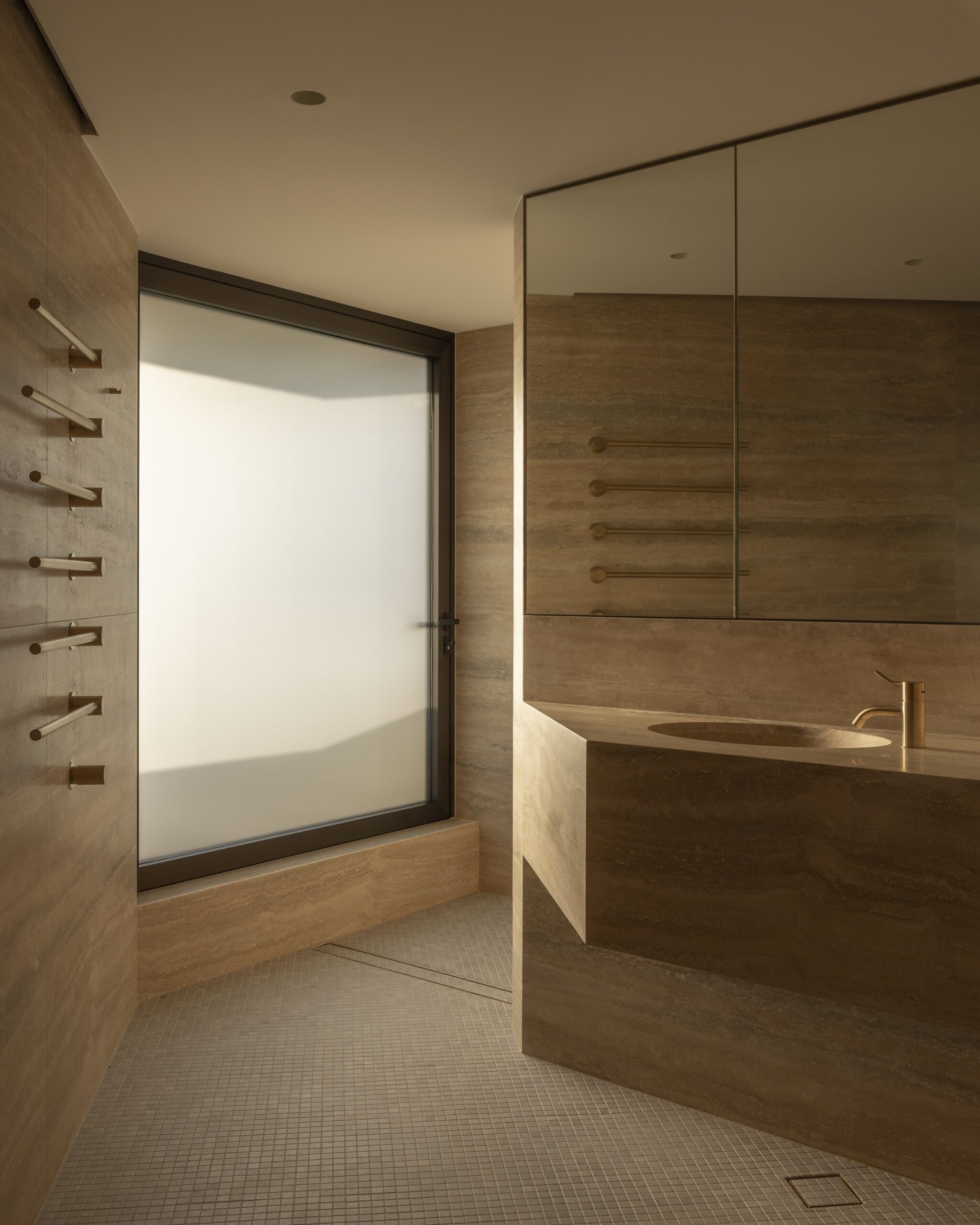
Travertine in the Bathroom: Creating a Spa-Like Atmosphere at Home
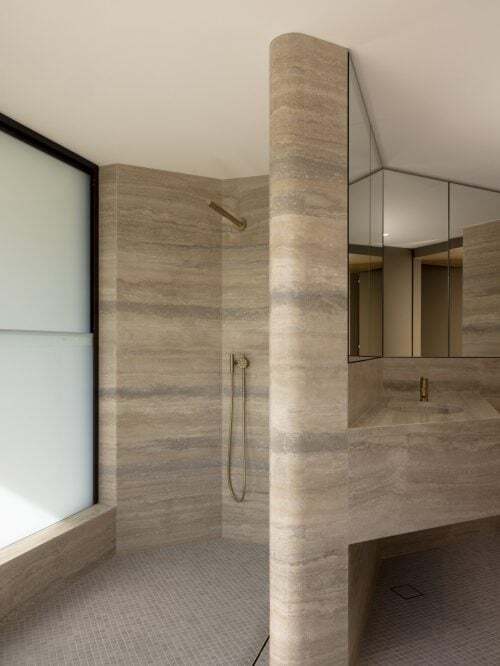
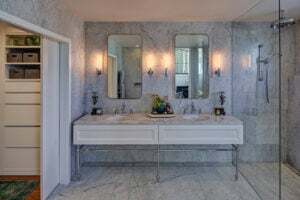
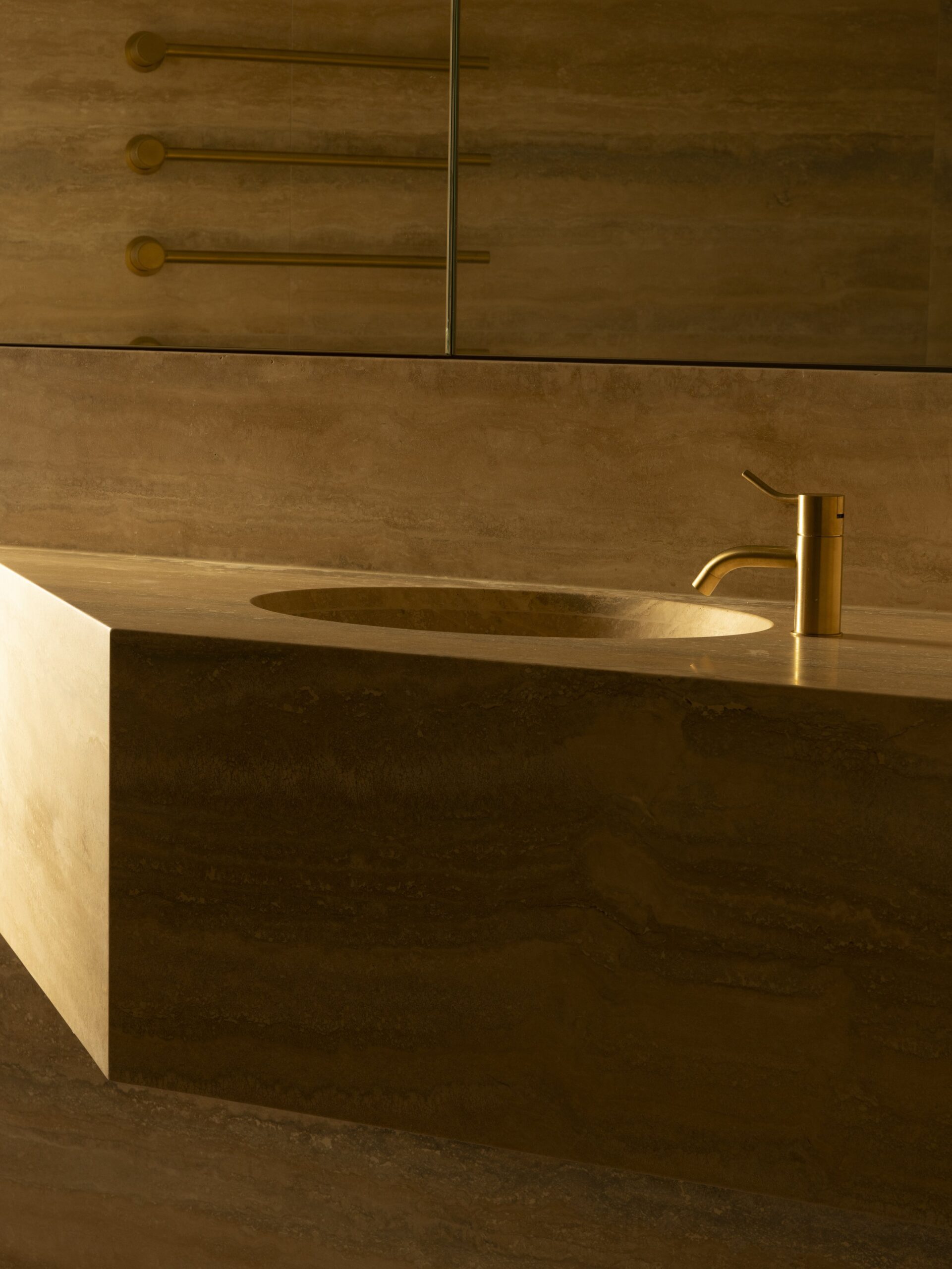
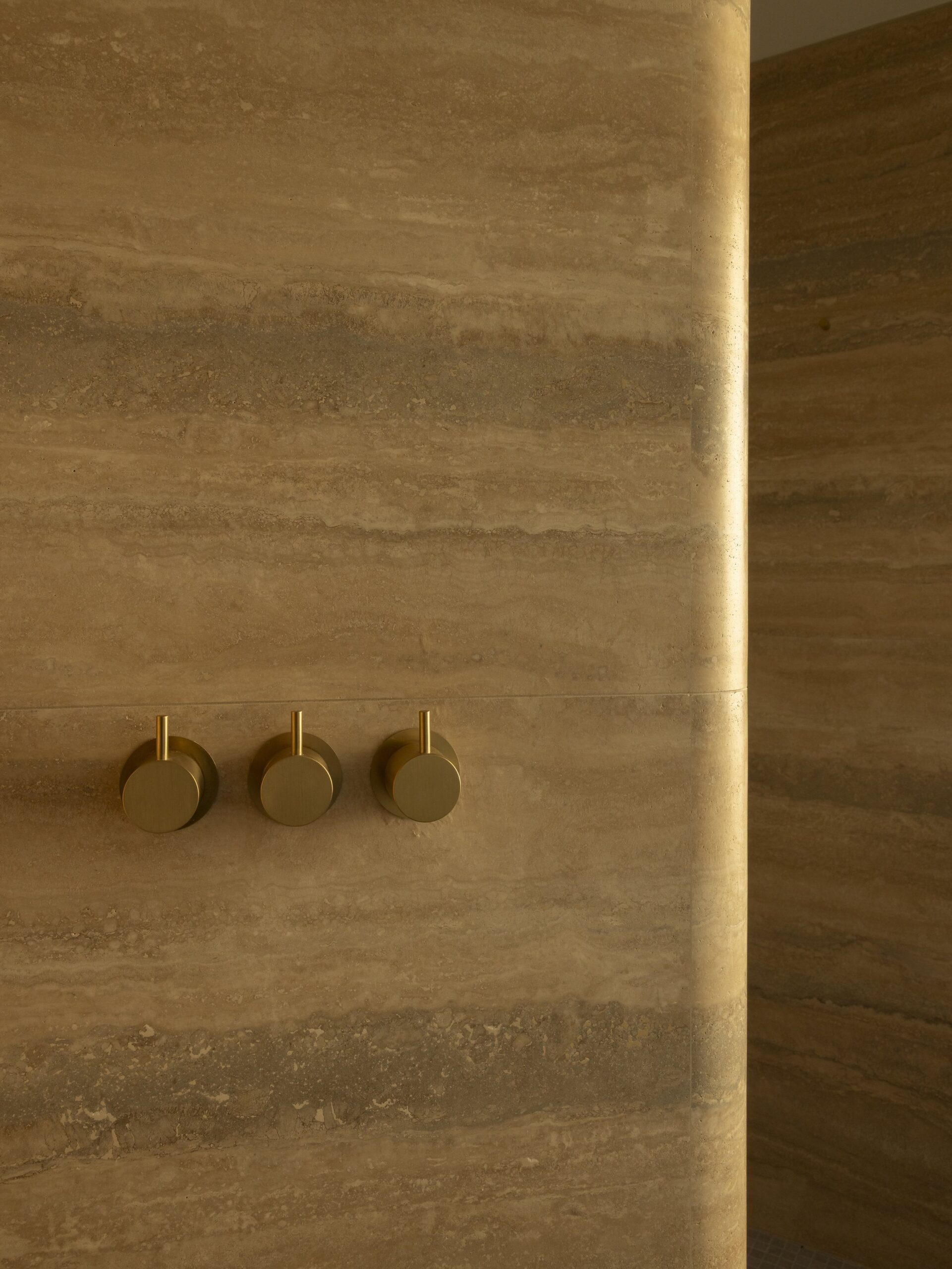
Few materials lend a bathroom the same serene, resort-like quality as travertine. Its naturally textured surface adds depth and dimension, while its water-resistant properties make it well suited to shower walls, vanity surfaces, and bathroom flooring.
For a seamless, luxurious look, opt for larger-format tiles to reduce grout lines throughout the space. Travertine accent walls are also highly effective — transforming a standard bathroom wall into a striking feature with minimal effort.
Travertine’s subtle tonal variations mean that lighting plays a crucial role in the final result. Experimenting with different light placements — warm, ambient, or directional — can dramatically shift the mood of the space and highlight the stone’s natural beauty.
Travertine Pavers for Outdoor Areas: Patios, Pool Decks and Garden Paths
One of travertine’s greatest strengths is its suitability for outdoor use. Whether you’re laying a patio, designing a pool surround, building an outdoor kitchen, or creating a garden pathway, travertine pavers can handle the elements while retaining their aesthetic appeal over time. An experienced Sydney stone mason will often recommend travertine for pool surrounds and alfresco areas specifically because of its ability to stay cool underfoot and manage water drainage effectively.
Its naturally slip-resistant surface and ability to remain cool underfoot — even in direct sunlight — make it especially popular for poolside applications. Travertine’s inherent porosity also allows rainwater to drain efficiently, minimising puddling on outdoor surfaces.
When selecting travertine for outdoor projects, choose a finish appropriate to the application and ensure the stone is properly sealed to maintain its durability in exposed environments.
Travertine Furniture and Decor: Easy Ways to Introduce the Stone to Your Home
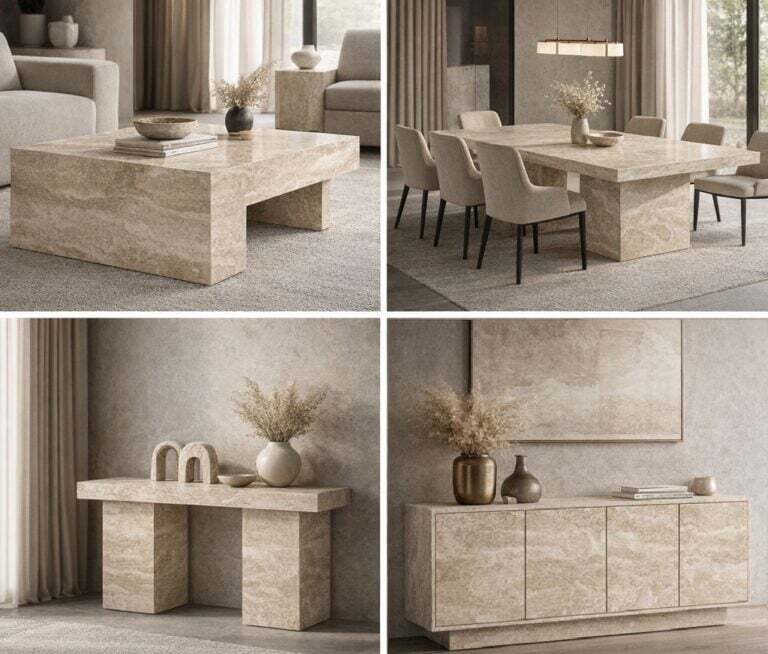
Not ready for a full renovation? Travertine furniture and decorative accessories offer a lower-commitment way to explore the stone in your home. Travertine coffee tables, side tables, console tables, dining tables, and chairs all make elegant, functional additions to a range of interior schemes. It’s a trend that has taken hold particularly in Sydney interiors, where the relaxed yet refined aesthetic of natural stone complements the city’s sun-drenched, indoor-outdoor lifestyle.
Smaller decorative objects — such as travertine vases, bowls, candle holders, and door hardware — allow you to test how the stone interacts with your existing palette before committing to larger installations. These subtle touches can be equally impactful in both classic and contemporary interiors.
Travertine Maintenance: How to Clean and Seal Natural Stone
While travertine’s textured, porous surface is a key part of its charm, it does require some ongoing care to keep it looking its best. Follow these straightforward maintenance guidelines:
• Sealing: Apply a high-quality penetrating sealer specifically formulated for natural stone. Interior surfaces typically need resealing every one to two years; outdoor or high-traffic areas may require more frequent applications.
• Cleaning: Use a pH-neutral stone cleaner or a mild, diluted dish soap applied with a soft cloth or sponge. Always rinse thoroughly and dry the surface to prevent water spots. Avoid any products containing bleach, ammonia, vinegar, or citrus, as these will erode the stone’s surface and break down the sealant over time.
• Stain Removal: For stubborn stains, use a stone cleaner specifically formulated for travertine and follow the product instructions carefully.
Travertine Pros and Cons: Is It the Right Stone for Your Home?
Before committing to travertine, it’s worth weighing up its advantages and limitations:
Pros:
1. Unique aesthetic: The natural colour variation and porous texture of travertine give every installation a one-of-a-kind appearance.
2. Durability: Travertine is a hard-wearing natural stone capable of withstanding heavy use, temperature changes, and outdoor conditions.
3. Affordability: Compared to premium materials like marble and granite, travertine offers a similarly luxurious look at a more accessible price point.
Cons:
1. Porosity: Its porous nature makes it susceptible to staining and surface damage if left unsealed or improperly maintained. It is also softer than some alternatives, which can make it more prone to etching.
2. Ongoing maintenance: Regular sealing and careful cleaning are non-negotiable with travertine.
3. Acid sensitivity: As a calcium-based material, travertine reacts poorly to acidic substances — keep harsh cleaning products well away from its surface.
Travertine is a rewarding choice for homeowners who value natural character, timeless style, and versatility. From kitchen benchtops and bathroom tiles to outdoor pavers and decorative accents, it brings an organic elegance to every application — provided you’re prepared to give it the care it deserves.