How to Incorporate Pink Marble Into Your Home Design

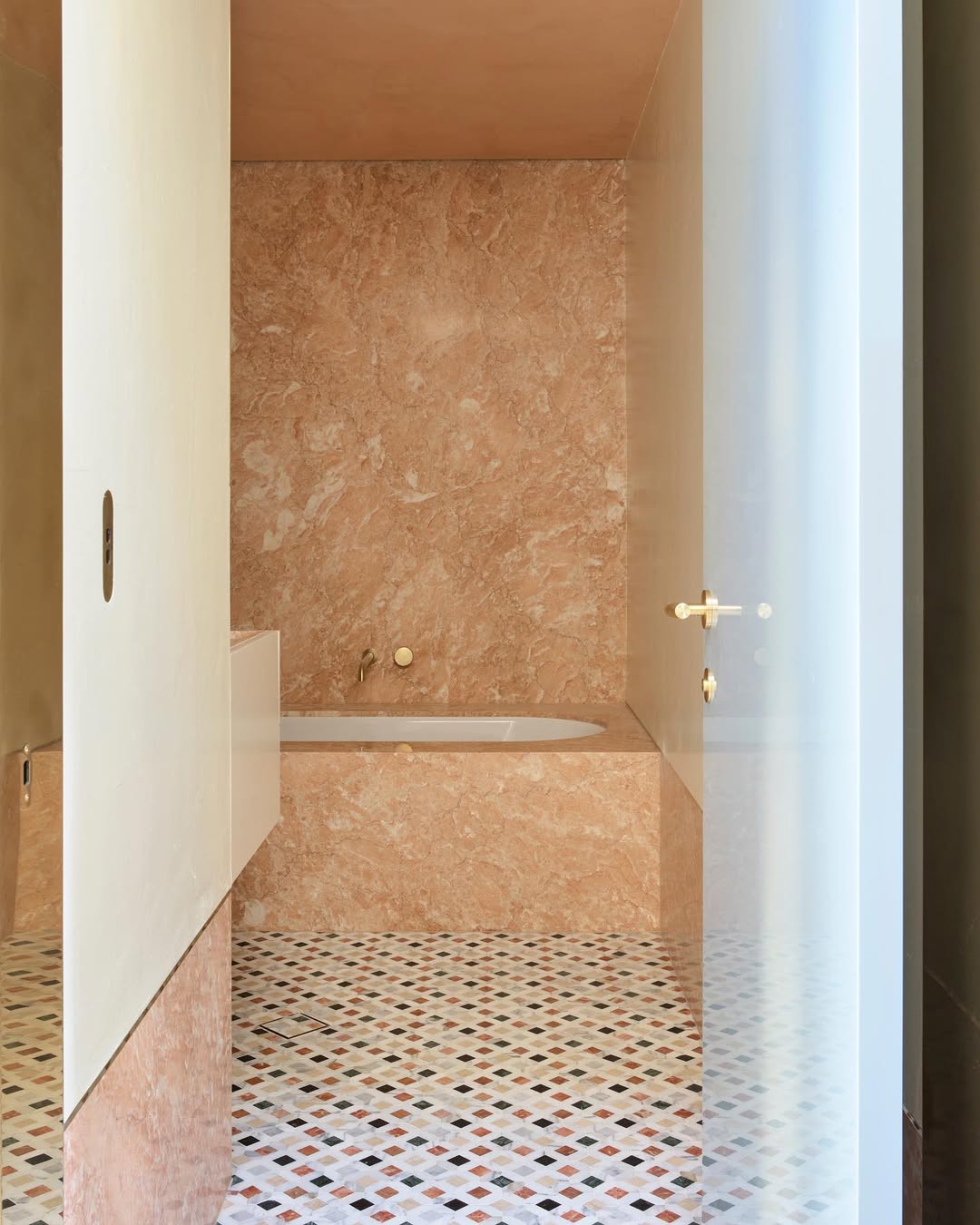
Pink Marble Alcove

Once viewed as a purely feminine shade, pink has confidently taken centre stage in modern interior design. From luxurious pink marble countertops to elegant flooring, this colour family—ranging from mauve and dusty rose to blush, fuchsia, flamingo, bubblegum, magenta, and rosewood—brings a fresh dose of personality and charm into any contemporary space.

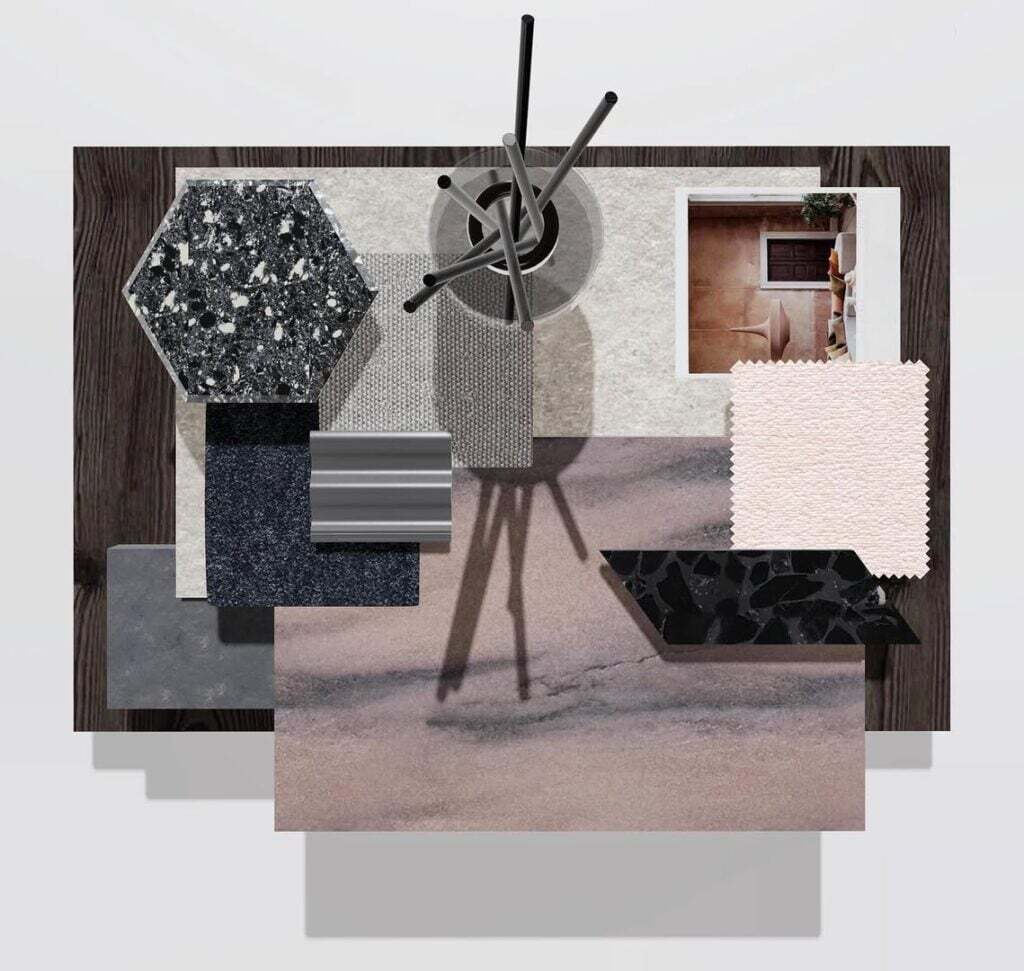
Pink Marble Sample Board
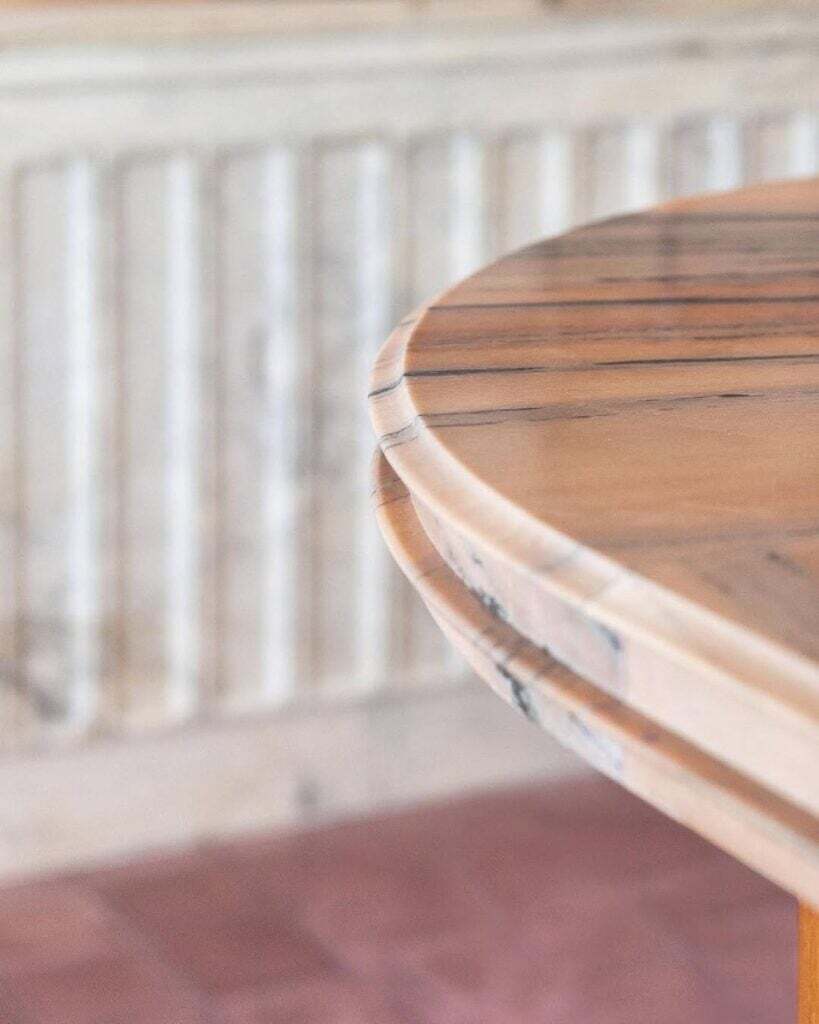
Rosso Portogallo Table

Pink marble might seem like a bold design choice, but when thoughtfully incorporated, it becomes a breathtaking statement that elevates the entire aesthetic of a home. If you’ve been drawn to the elegance of pink stone but aren’t quite sure how to weave it into your interiors, you’re in the right place. Below are stylish, modern ways to introduce pink marble into your home with confidence and flair.

1. Infusing Subtle Luxury Into the Bathroom

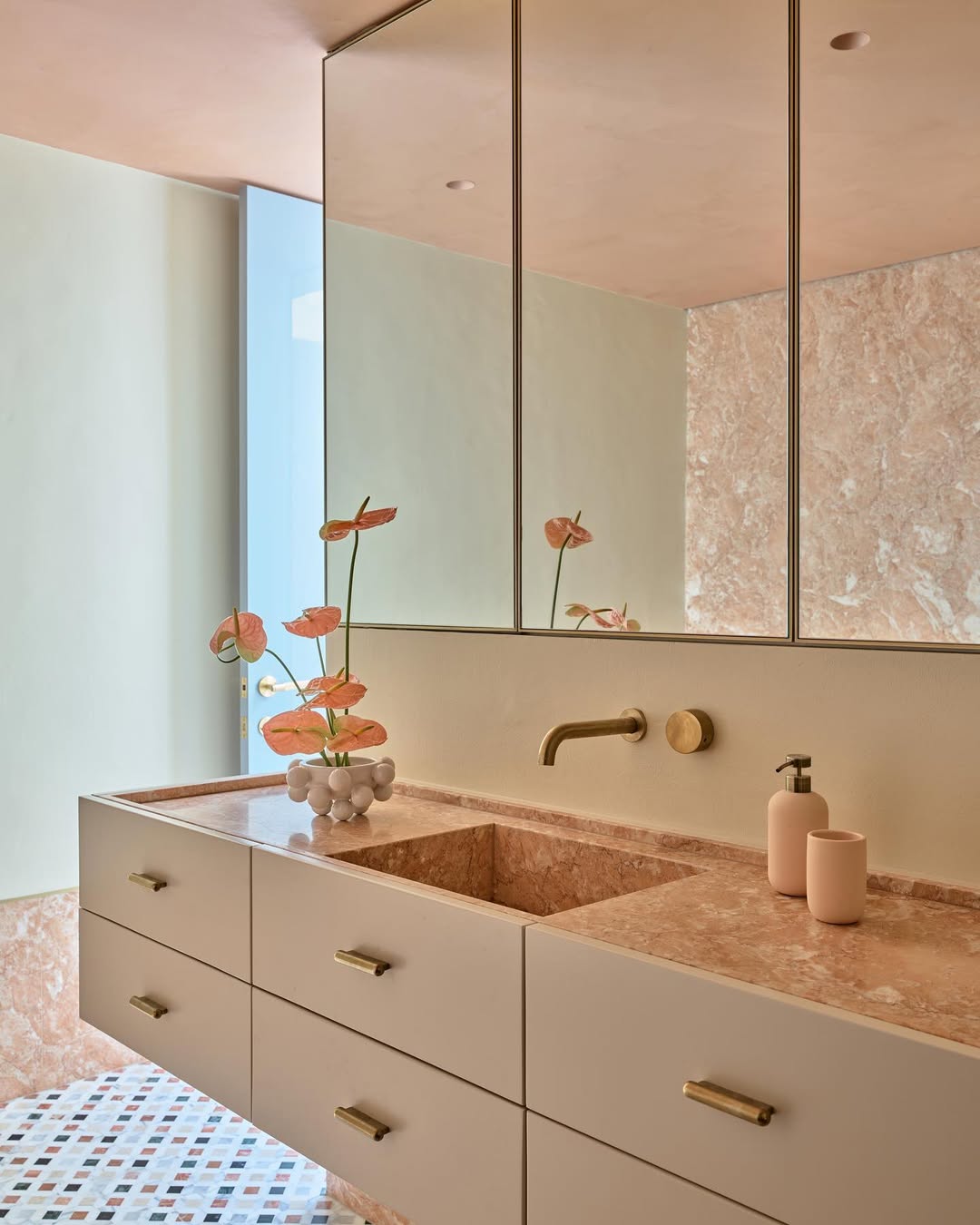
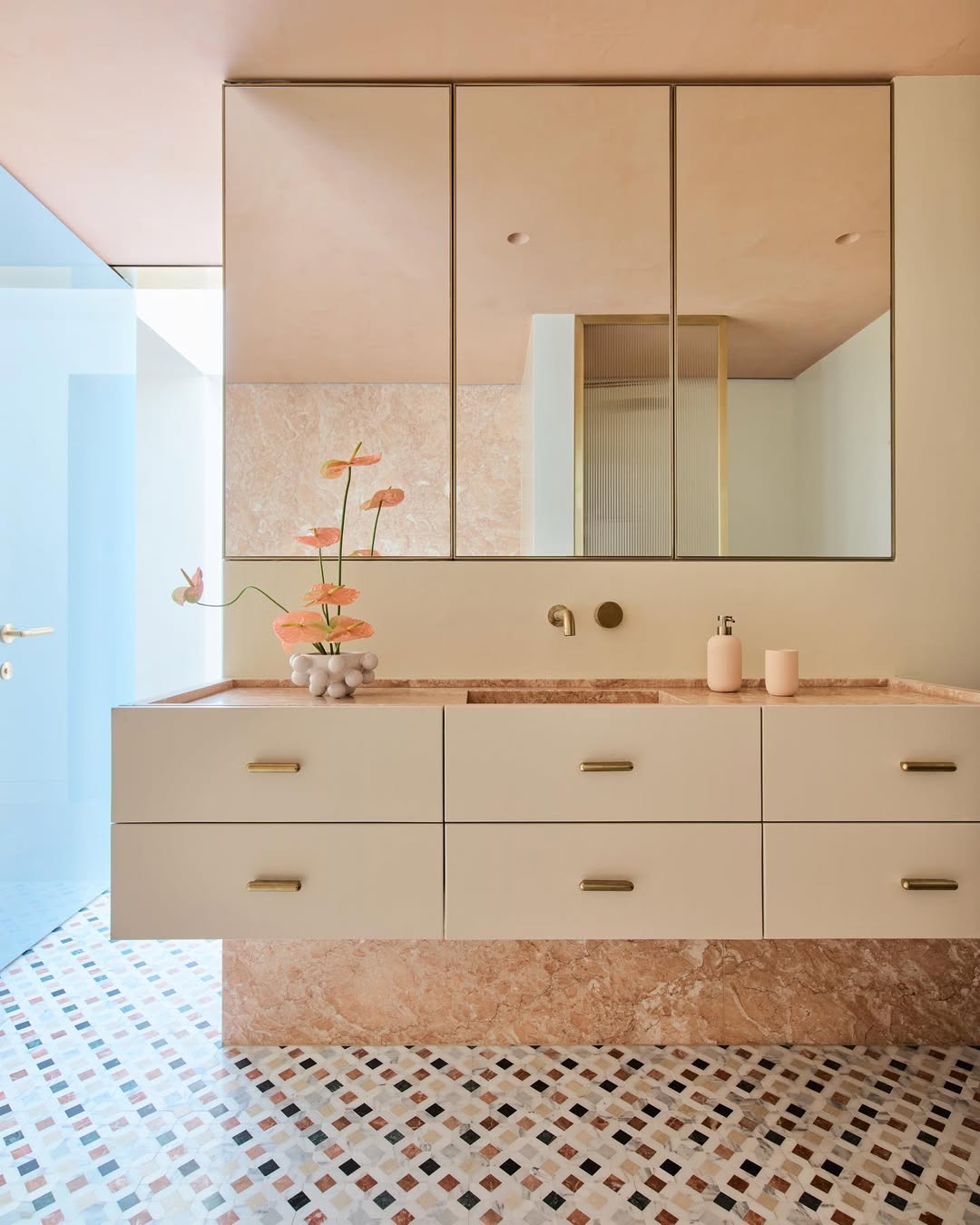
Pink marble in the bathroom offers a sophisticated yet captivating visual appeal. A feature wall, vanity counter, or full-height cladding in warm pink tones instantly transforms the space into a serene retreat. Marbles with soft veining—think cream, saffron, or subtle rainbow-like threads—create a refined focal point that radiates grace without overwhelming the room.

2. Creating a Chic Pink Marble Kitchen

For a modern, elegant kitchen, consider a pink marble countertop as the hero element. Its natural variation and understated glamour pair beautifully with minimalist cabinetry, balancing clean lines with organic warmth. The result is a kitchen that feels both contemporary and uniquely expressive.

3. Pink Marble Flooring for a Picture-Perfect Space

Pink marble floors can immediately influence the overall mood of your interior design. Whether used in a bedroom, hallway, or open living space, soft blush or rose-toned stone adds refinement and warmth. The natural veining patterns create visual interest while grounding the room with timeless appeal.

4. Pairing Pink Marble With Rose Gold Accents

Pink and rose gold are a match made in design heaven. Instead of rose-gold cladding or panels, add subtle hints through lighting fixtures, vases, side tables, or metallic décor. When paired with pink marble—especially varieties like onyx—these accents highlight the stone’s natural glamour and create a cohesive, stylish narrative.

5. Designing a Modern Pink Marble Living Room

Your living room is the heart of your home, making it the perfect place for a bold marble feature. A pink marble wall panel or statement slab adds opulence and character, instantly drawing attention and elevating the ambience. It’s a beautiful way to transform a high-traffic area into an inviting, luxurious retreat.

6. Mixing Marble Colours for a Dynamic Look

Why choose only one marble when you can combine multiple? A pink onyx backsplash paired with a complementary blush or neutral countertop creates depth and dimension. This layered approach celebrates contrast while maintaining harmony across your kitchen or bathroom design.

7. Embracing an All-Pink Interior

For lovers of monochrome aesthetics, an all-pink room is a design dream come true. Think pink walls, pink marble flooring, a tonal backsplash, and rose-gold accents. When executed thoughtfully, this palette creates a cohesive, elegant space that’s bold, unique, and undeniably stunning.

If you’re exploring pink stones for your home, you’ll find a wide variety available both in-store and online from reputable stone suppliers. Browsing online collections allows you to compare patterns, tones, and finishes from the comfort of your home—making it easier than ever to find the perfect pink marble for your next design project.

Your Complete Guide to Quartzite Stone: Everything You Need to Know

Corteccia Quartzite Bathroom Vanity

Popular Quartzites

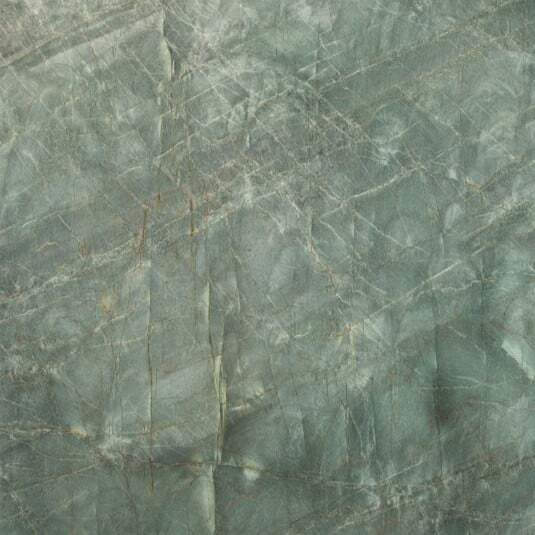
Emerald Quartzite
EmeraldQuartzite
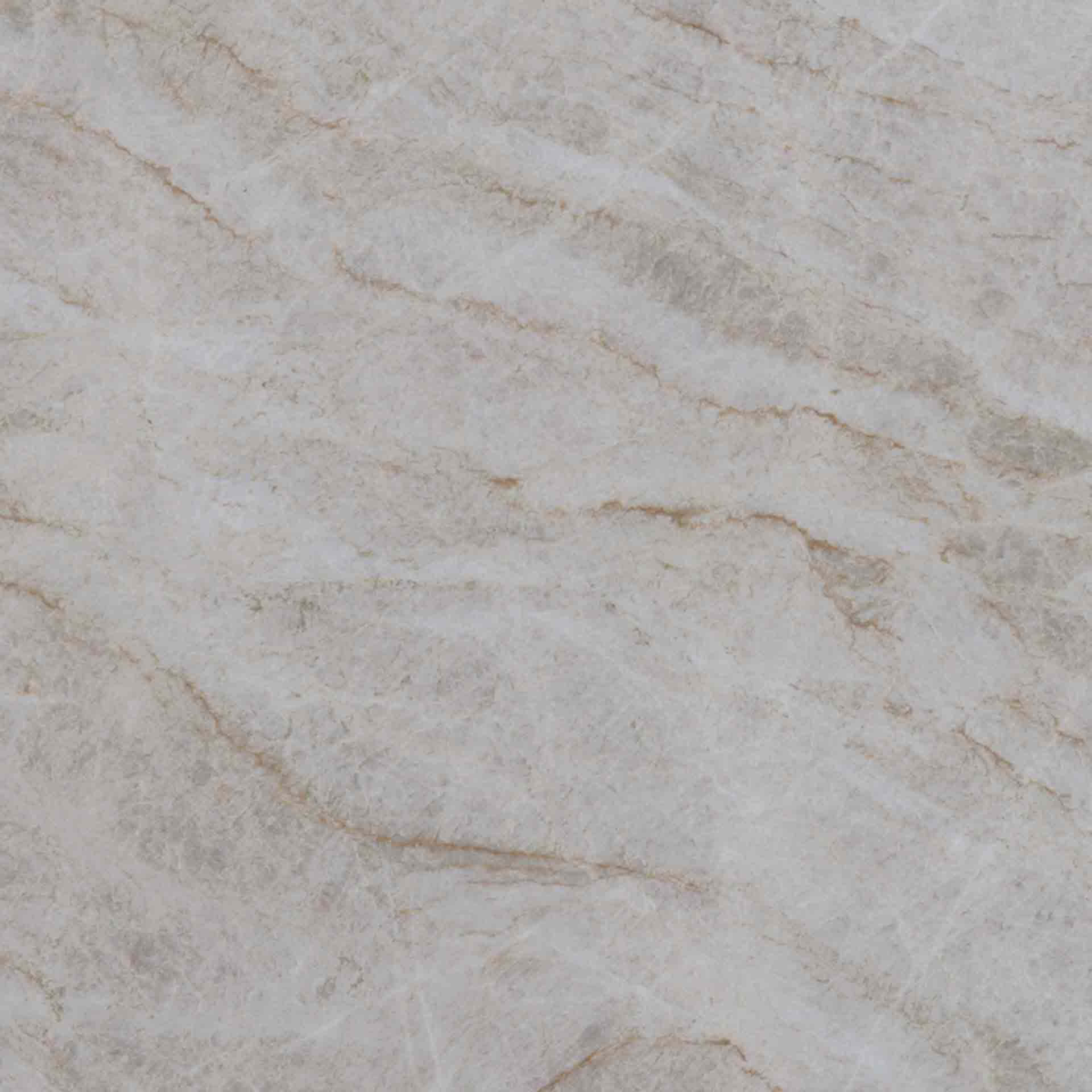
Taj Mahal Quartzite
Taj Mahal Quartzite
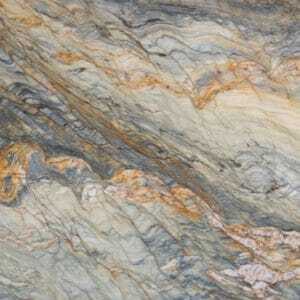
Fusion Wow Quartzite

Quartzite is a remarkably strong, non-foliated metamorphic stone made almost entirely of quartz. Loved for its resilience, striking veining, and glossy finish, quartzite offers the durability of granite paired with the elegance of marble—making it a favourite among architects, builders, and interior designers.

Below, we break down everything you need to know about one of nature’s most exceptional stones.

What Is Quartzite?

Quartzite begins its journey as loose sand. Over millions of years, these grains compress to form quartz sandstone. Geological pressure then pushes the sandstone deep beneath the Earth’s surface, where intense heat causes the quartz particles to melt, recrystallise, and bond with natural silica and calcite.

This transformation produces a tightly interlocked network of quartz crystals—resulting in one of the hardest and most durable natural stones available today.

Emerald Quartzite Kitchen Benchtops

Explore the Perfect Stone for Your Project

Unsure which stone best suits your kitchen, bathroom, or outdoor design? Browse our curated collection of premium natural stone slabs and speak with our experts for personalised recommendations.

Quartzite vs. Man-Made Quartz

Although their names sound similar, quartzite and engineered quartz are fundamentally different materials.

• Quartzite is a natural metamorphic stone created deep within the Earth.

• Man-made quartz is an engineered product made from crushed quartz combined with resins and polymers.

Because of these resins, engineered quartz is less heat- and scratch-resistant, and it is not UV stable—meaning it can fade or yellow in sunlight.

Quartzite, being fully natural, is UV stable and maintains its colour and finish for decades.

What Makes Quartzite Stand Out?

Outstanding architecture relies on a balance of beauty, performance, and longevity. Quartzite excels across all three.

Aesthetic Appeal

Quartzite’s long metamorphic formation results in intricate veining and sophisticated colour movement. Measuring 7 on the Mohs Hardness Scale, quartzite is harder than steel, glass, or a knife blade—outperforming many other natural stones in daily-use environments. When sealed using a premium impregnating sealer, it can last a lifetime.

Durability That Lasts

Known for its exceptional hardness and density, quartzite is more durable than marble and often slightly tougher than granite. Its resilience against scratching, heat, and everyday wear makes it ideal for busy homes and high-use surfaces.

Versatile Functionality

Quartzite is naturally low-porous, easy to maintain, and simple to clean. These qualities make it perfect for:

• Outdoor kitchens, bars, and pool areas

• High-traffic interior spaces

• Busy family kitchens and entertainer-style homes

Its strength means you can chop, prepare, and host without worrying about scratching or etching the surface.

Why Choose Quartzite Over Marble or Granite?

If hardness and longevity are priorities, quartzite outperforms marble significantly. While granite is also extremely durable, quartzite offers more refined patterns and colour variation—delivering both endurance and elevated aesthetic appeal.

At Euro Marble, we carry one of the most exclusive ranges of premium quartzite slabs in Sydney. Because natural stone is best appreciated in person, we invite you to visit our centrally located stone gallery to experience the quality and beauty of quartzite firsthand.

The Most Popular Countertop of 2025: Taj Mahal

Taj Mahal Quartzite

Taj Mahal Kitchen

Discover the Beauty of Taj Mahal Quartzite in Your Home

Taj Mahal Quartzite has quickly become a favourite among homeowners looking to elevate their kitchen design. In this guide, you’ll learn about the inspiration behind this remarkable stone, its natural characteristics, colour variations, finish options, and creative ways to use it in your space.
We’ll also explore costs, maintenance tips, and real-life benefits to help you decide if Taj Mahal Quartzite is the perfect fit for your renovation.

What Is Taj Mahal Quartzite?

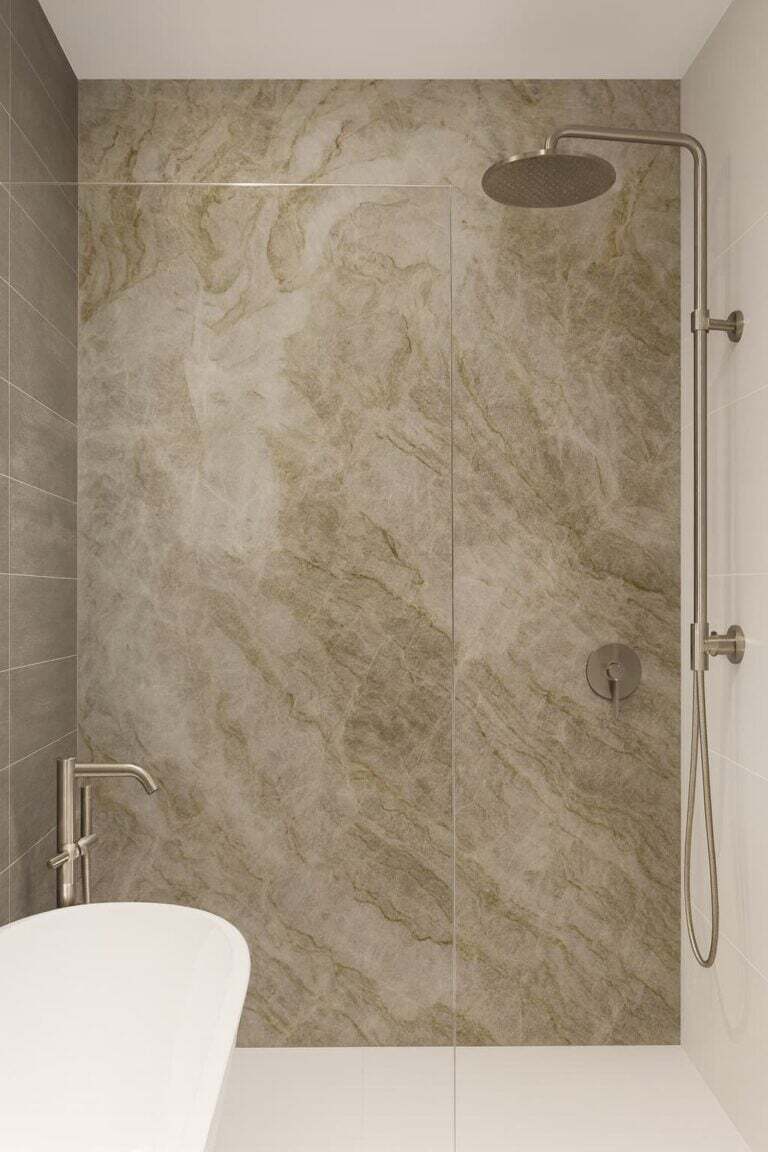
Taj Mahal Feature Wall

Taj Mahal Quartzite is a breathtaking natural stone quarried predominantly in Brazil. It draws its name from the iconic Taj Mahal mausoleum in Agra, India—a symbol of grandeur and architectural mastery.

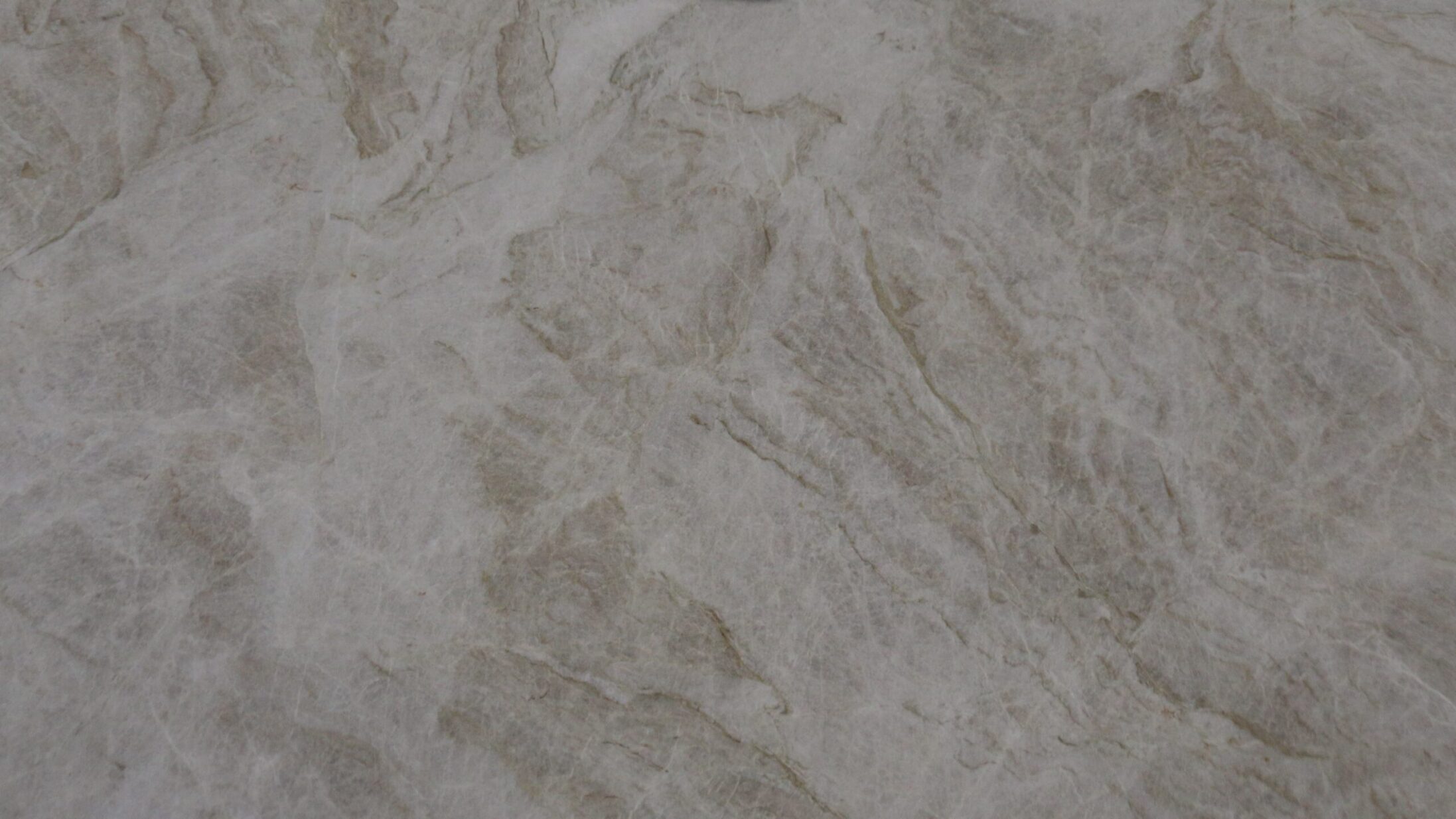
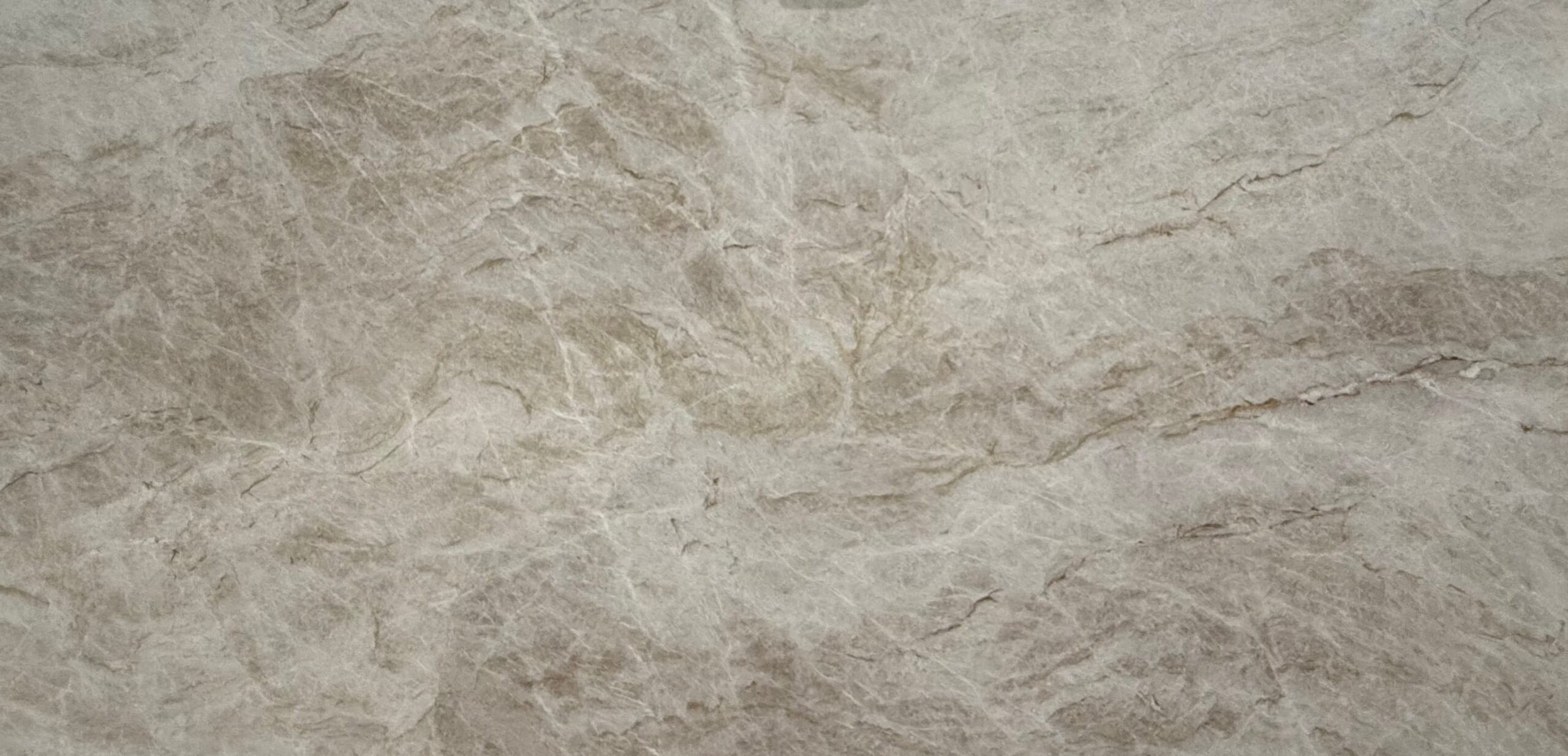
Much like the monument’s intricate marble façade, this quartzite features a creamy white to soft beige base, enhanced by graceful veining in shades of gold, beige, and muted browns. The result is a stone that evokes the same sense of timeless beauty and refined detailing that defines its namesake.

The Historical Inspiration Behind the Name

The Taj Mahal, built between 1632 and 1653 by Mughal Emperor Shah Jahan, stands as a testament to devotion and artistic brilliance. Constructed from luminous white marble and adorned with inlay work using semi-precious stones, its architecture blends Persian, Islamic, and Indian influences.

Its remarkable ability to shift colour depending on the light—from rosy pink at dawn to glowing gold at night—has inspired artists and designers for centuries. Taj Mahal Quartzite mirrors this elegance through its serene tones and delicate veining, offering homeowners a subtle nod to one of the world’s greatest architectural masterpieces.

Why Taj Mahal Quartzite Appeals to Modern Homeowners

Taj Mahal Quartzite is celebrated for combining natural beauty with long-lasting durability. Whether used for countertops, splashbacks, or other surfaces, the stone offers:

  • A sophisticated, neutral colour palette

  • Low-maintenance performance

  • Strong resistance to heat and scratches

  • A timeless look that complements nearly any kitchen style

Its versatility and strength make it an outstanding choice for both classic and contemporary interiors.

Origins and Key Features of Taj Mahal Quartzite

Taj Mahal is a quartzite that possesses the durability of a granite and overall aesthetic commonly associated with marble.

Key characteristics include:

  • Background: Warm cream to light beige

  • Veining: Soft gold and beige patterns

  • Durability: Excellent heat and scratch resistance

  • Porosity: Lower than many natural stones, reducing susceptibility to staining

Daily upkeep is simple—most homeowners only need mild soap and water. For added protection, occasional sealing is recommended.

What Colour Is Taj Mahal Quartzite?

The colour profile of Taj Mahal Quartzite is one of its greatest strengths. Its soft, neutral tones make it extremely adaptable, allowing it to complement bold or understated designs alike.

Common appearance traits include:

  • Creamy white or pale beige base

  • Gentle golden or taupe veining

  • Warm undertones that pair beautifully with light or dark cabinetry

Whether your kitchen leans modern, traditional, or transitional, Taj Mahal Quartzite creates an elegant, harmonious foundation.

Colour Variations and Pattern Differences

Like all natural stones, Taj Mahal Quartzite varies from slab to slab. Some may feature dramatic veining, while others display a more uniform appearance. These natural variations ensure each installation feels unique. Somes times you can see a tone shifts, with some batches seeming darker than others.

Available finishes include:

  • Polished: Glossy and reflective, highlighting veining and colour

  • Honed: Smooth and matte for a softer, modern aesthetic

  • Leathered: Textured and organic, offering visual depth and warmth

These options allow homeowners to tailor the stone’s appearance to their specific design preferences.

Taj Mahal Quartzite Finish Options

Taj Mahal Polished

A polished finish enhances the stone’s luminosity, drawing attention to its intricate golden veining. Perfect for those wanting a luxury, high-gloss focal point in their kitchen or bathroom.

Taj Mahal Honed

The honed finish provides a smooth, matte surface that’s ideal for subtle, contemporary spaces. It also helps conceal minor marks or etches in high-traffic kitchens.

Taj Mahal Leathered

For rich texture and natural appeal, the leathered finish adds dimension while maintaining the stone’s elegant creamy tones. It suits rustic, transitional, and modern designs alike.

Visit our showroom to explore these finishes in person and find the perfect fit for your project.

Design Ideas for Using Taj Mahal Quartzite

Though quartzite is not as commonly spotlighted as marble or granite, it is one of the most underrated stones on the market. Its soft tones and gentle veining make it an ideal choice for homeowners seeking a calm, timeless atmosphere.

Below are practical and stylish ways to incorporate Taj Mahal Quartzite into your kitchen.

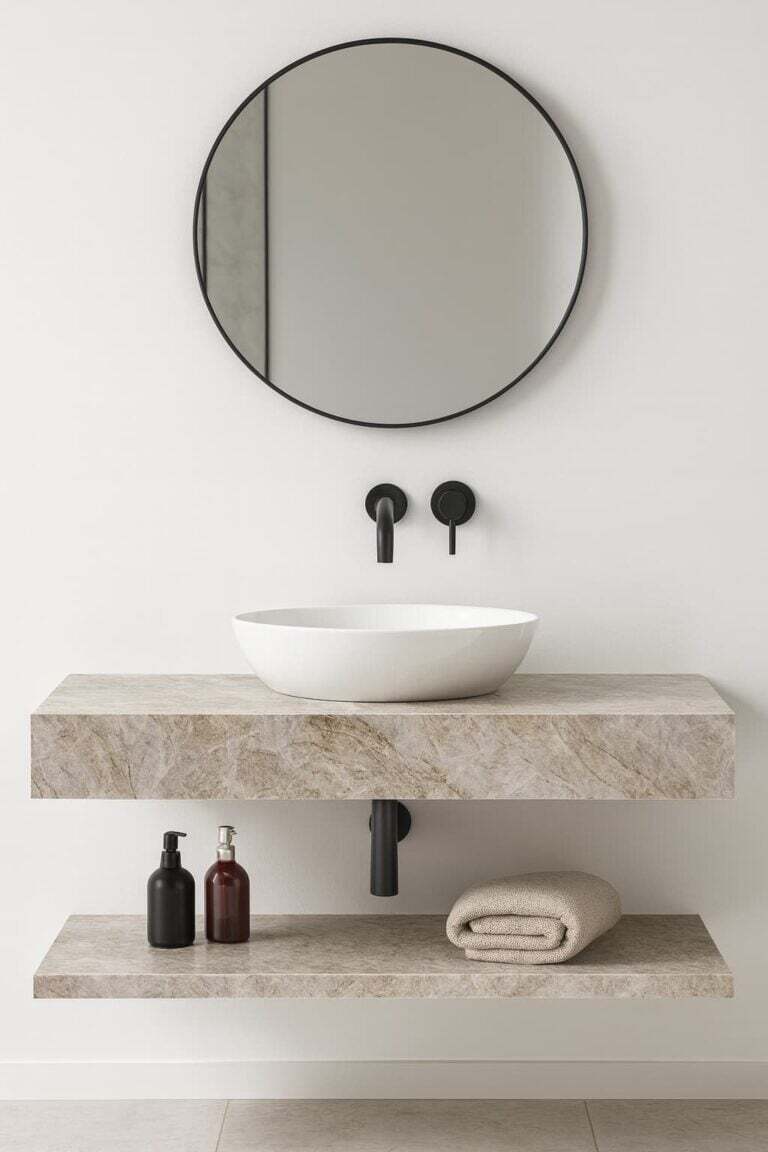
Taj Mahal Vanity

Elegant Taj Mahal Quartzite Countertops

Taj Mahal Quartzite countertops instantly elevate a kitchen with their warm undertones and sophisticated veining. They pair effortlessly with a wide range of cabinetry, hardware, and décor styles.

Design Ideas for Countertops

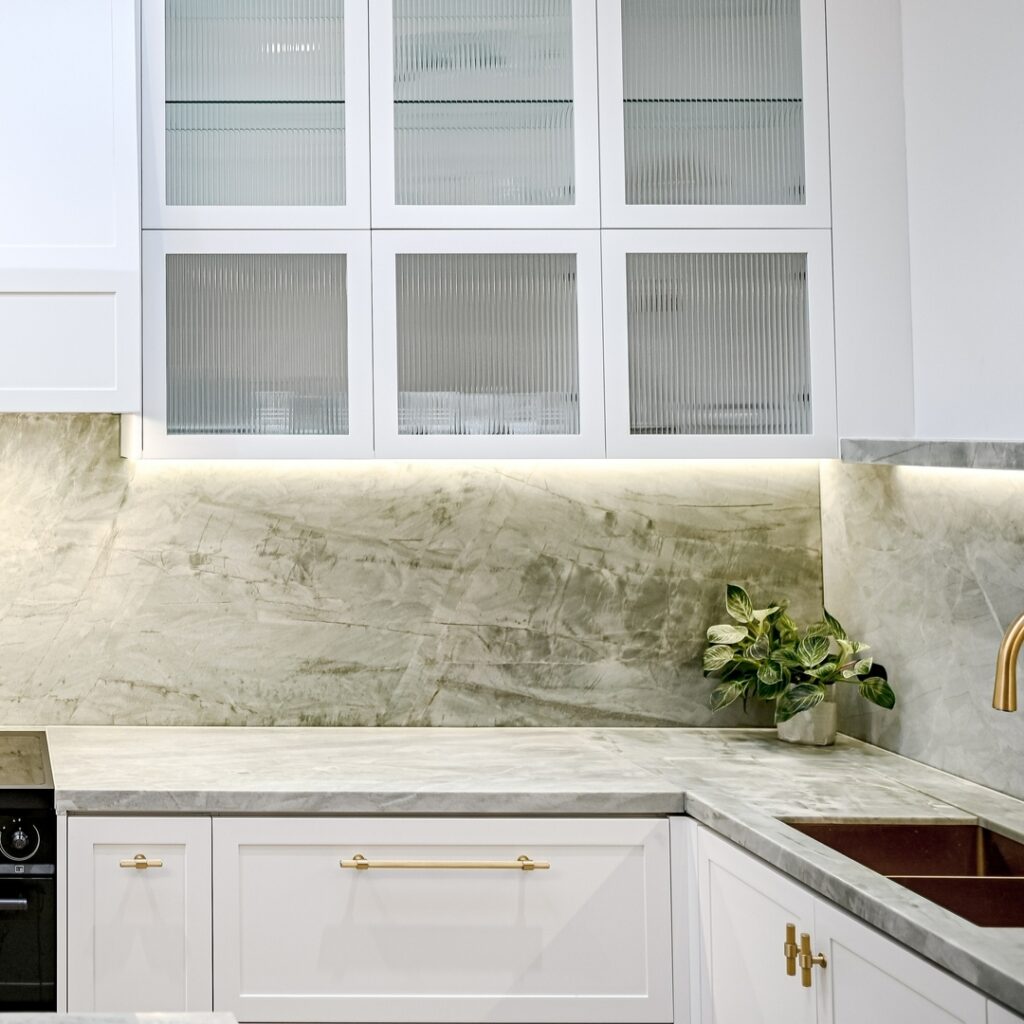
  • Classic Elegance: Combine with white or light cabinetry and brass hardware for a bright, airy look.

  • Modern Contrast: Pair with black or dark wood cabinetry to accentuate the stone’s subtle tones.

  • Rustic Warmth: Choose natural timber cabinets and a leathered finish for an earthy, inviting atmosphere.

  • Minimalist Style: Keep lines clean and accessories simple to let the stone take centre stage.

Stylish Backsplash Ideas Using Taj Mahal Quartzite

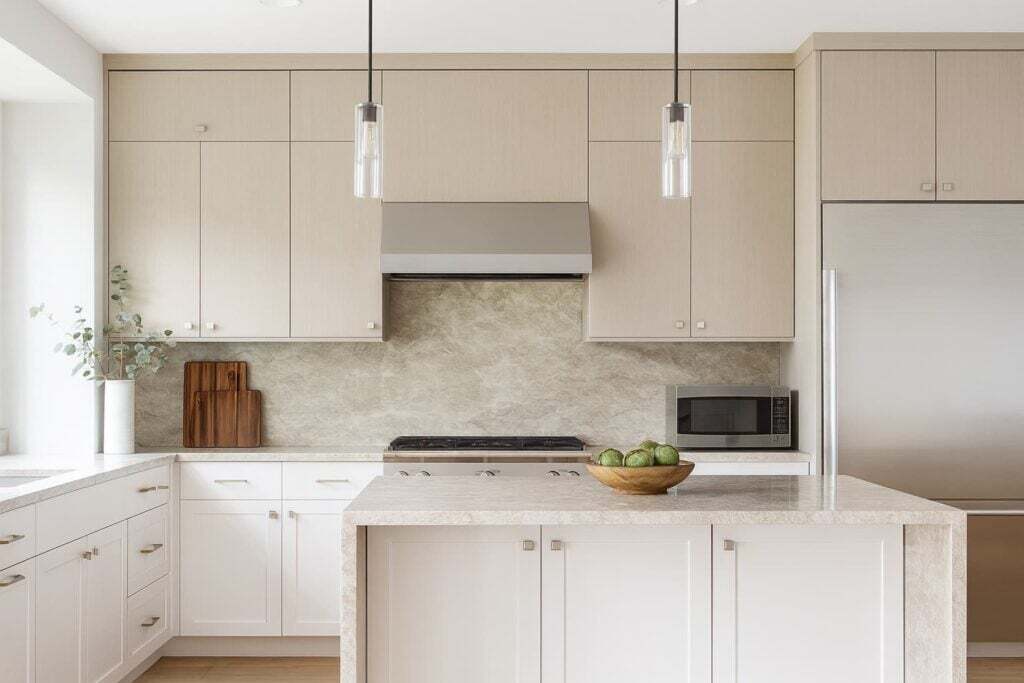
A Taj Mahal Quartzite backsplash brings cohesion and refinement to your kitchen design.

Popular Backsplash Options

  • Full Slab: Creates a seamless, luxurious backdrop with uninterrupted veining.

  • Subway Tiles: Offers a classic, versatile layout using quartzite cut into rectangles.

  • Mosaic Patterns: Adds texture and artistry to the space.

  • Contrasting Grout: Highlights tile layout and stone colour for a bold, modern effect.

    Benefits of Taj Mahal Quartzite

    Benefits

    • Durability: Exceptional resistance to heat and scratching.

    • Low Maintenance: Less porous than many stones, with minimal upkeep required.

    • Timeless Beauty: A neutral palette that suits any style and enhances resale value.

    When you consider its lifespan, aesthetic impact, and practicality, Taj Mahal Quartzite becomes a cost-effective long-term investment.

    Conculsion

    Taj Mahal Quartzite beautifully blends natural elegance with everyday durability. Inspired by one of the world’s most admired architectural wonders, this stone adds softness, sophistication, and timeless charm to any kitchen.

    Whether you choose polished, honed, or leathered slabs, Taj Mahal Quartzite delivers both style and function—making it a favourite for homeowners seeking a truly elevated design.

    Ready to Transform Your Kitchen?

    Explore our full quartzite collection and find the perfect Taj Mahal slab to bring your project to life.

    Frequently Asked Questions About Taj Mahal Quartzite.

    What is Taj Mahal Quartzite?

    A natural stone quarried mainly in Brazil, known for its creamy white tones and soft golden veining. It is classified as a quartzite, and as such demonstrates hard and durable properties associated with other metamorphic rocks.

    How is Taj Mahal Quartzite different from other quartzites?

    Its quartzite makeup gives it unique colouring and subtle patterns.

    Is Taj Mahal Quartzite good for high-traffic kitchens?

    Yes—its incredibly robust, demonstrating incredible scratch resistance, and low porosity. These qualities make it ideal for busy households.

    Can it be used for both countertops and backsplashes?

    Absolutely. Its versatility and beauty make it an excellent choice for all kitchen surfaces.

    What is the difference between polished, honed, and leathered finishes?

    • Polished: Shiny and reflective

    • Honed: Smooth and matte

    • Leathered: Textured, matte, and more rustic