

Discover the Beauty of Taj Mahal Quartzite in Your Home
Taj Mahal Quartzite has quickly become a favourite among homeowners looking to elevate their kitchen design. In this guide, you’ll learn about the inspiration behind this remarkable stone, its natural characteristics, colour variations, finish options, and creative ways to use it in your space.
We’ll also explore costs, maintenance tips, and real-life benefits to help you decide if Taj Mahal Quartzite is the perfect fit for your renovation.
What Is Taj Mahal Quartzite?
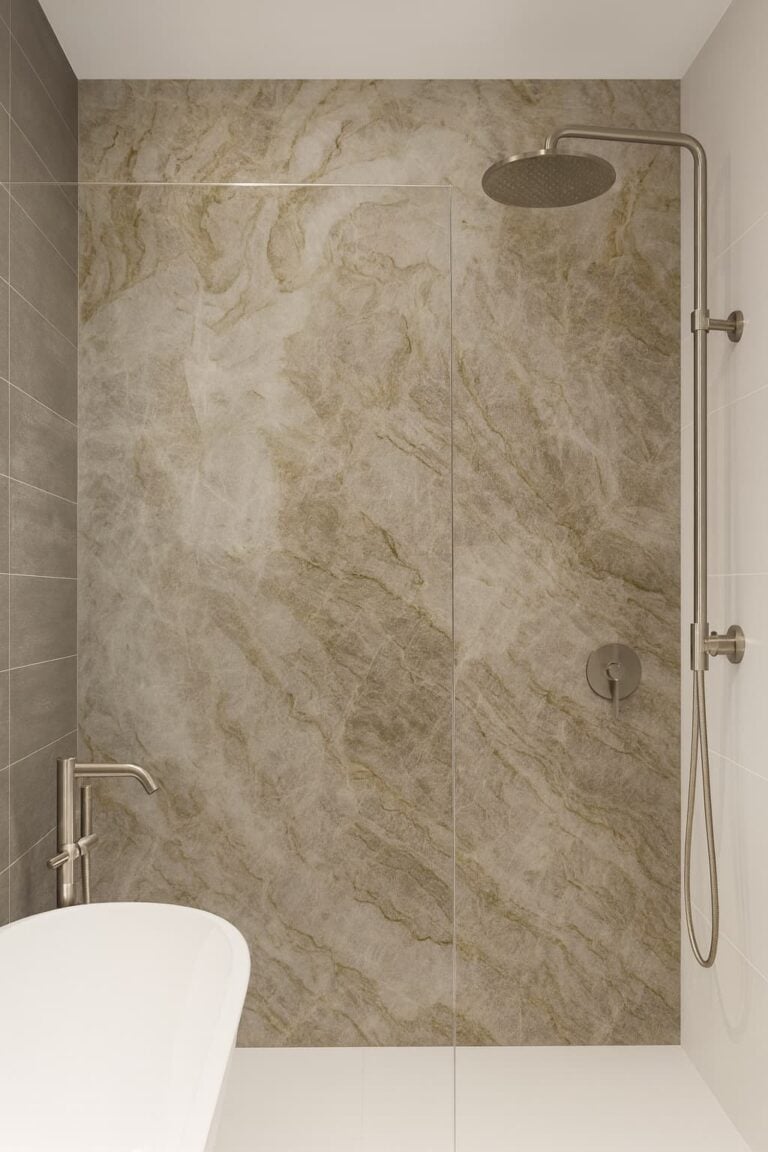
Taj Mahal Quartzite is a breathtaking natural stone quarried predominantly in Brazil. It draws its name from the iconic Taj Mahal mausoleum in Agra, India—a symbol of grandeur and architectural mastery.
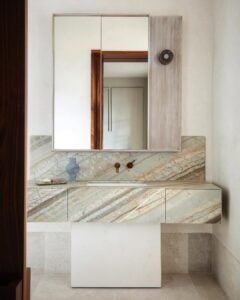
Much like the monument’s intricate marble façade, this quartzite features a creamy white to soft beige base, enhanced by graceful veining in shades of gold, beige, and muted browns. The result is a stone that evokes the same sense of timeless beauty and refined detailing that defines its namesake.
The Historical Inspiration Behind the Name
The Taj Mahal, built between 1632 and 1653 by Mughal Emperor Shah Jahan, stands as a testament to devotion and artistic brilliance. Constructed from luminous white marble and adorned with inlay work using semi-precious stones, its architecture blends Persian, Islamic, and Indian influences.
Its remarkable ability to shift colour depending on the light—from rosy pink at dawn to glowing gold at night—has inspired artists and designers for centuries. Taj Mahal Quartzite mirrors this elegance through its serene tones and delicate veining, offering homeowners a subtle nod to one of the world’s greatest architectural masterpieces.
Why Taj Mahal Quartzite Appeals to Modern Homeowners
Taj Mahal Quartzite is celebrated for combining natural beauty with long-lasting durability. Whether used for countertops, splashbacks, or other surfaces, the stone offers:
-
A sophisticated, neutral colour palette
-
Low-maintenance performance
-
Strong resistance to heat and scratches
-
A timeless look that complements nearly any kitchen style
Its versatility and strength make it an outstanding choice for both classic and contemporary interiors.
Origins and Key Features of Taj Mahal Quartzite
Taj Mahal is a quartzite that possesses the durability of a granite and overall aesthetic commonly associated with marble.
Key characteristics include:
-
Background: Warm cream to light beige
-
Veining: Soft gold and beige patterns
-
Durability: Excellent heat and scratch resistance
-
Porosity: Lower than many natural stones, reducing susceptibility to staining
Daily upkeep is simple—most homeowners only need mild soap and water. For added protection, occasional sealing is recommended.
What Colour Is Taj Mahal Quartzite?
The colour profile of Taj Mahal Quartzite is one of its greatest strengths. Its soft, neutral tones make it extremely adaptable, allowing it to complement bold or understated designs alike.
Common appearance traits include:
-
Creamy white or pale beige base
-
Gentle golden or taupe veining
-
Warm undertones that pair beautifully with light or dark cabinetry
Whether your kitchen leans modern, traditional, or transitional, Taj Mahal Quartzite creates an elegant, harmonious foundation.
Colour Variations and Pattern Differences
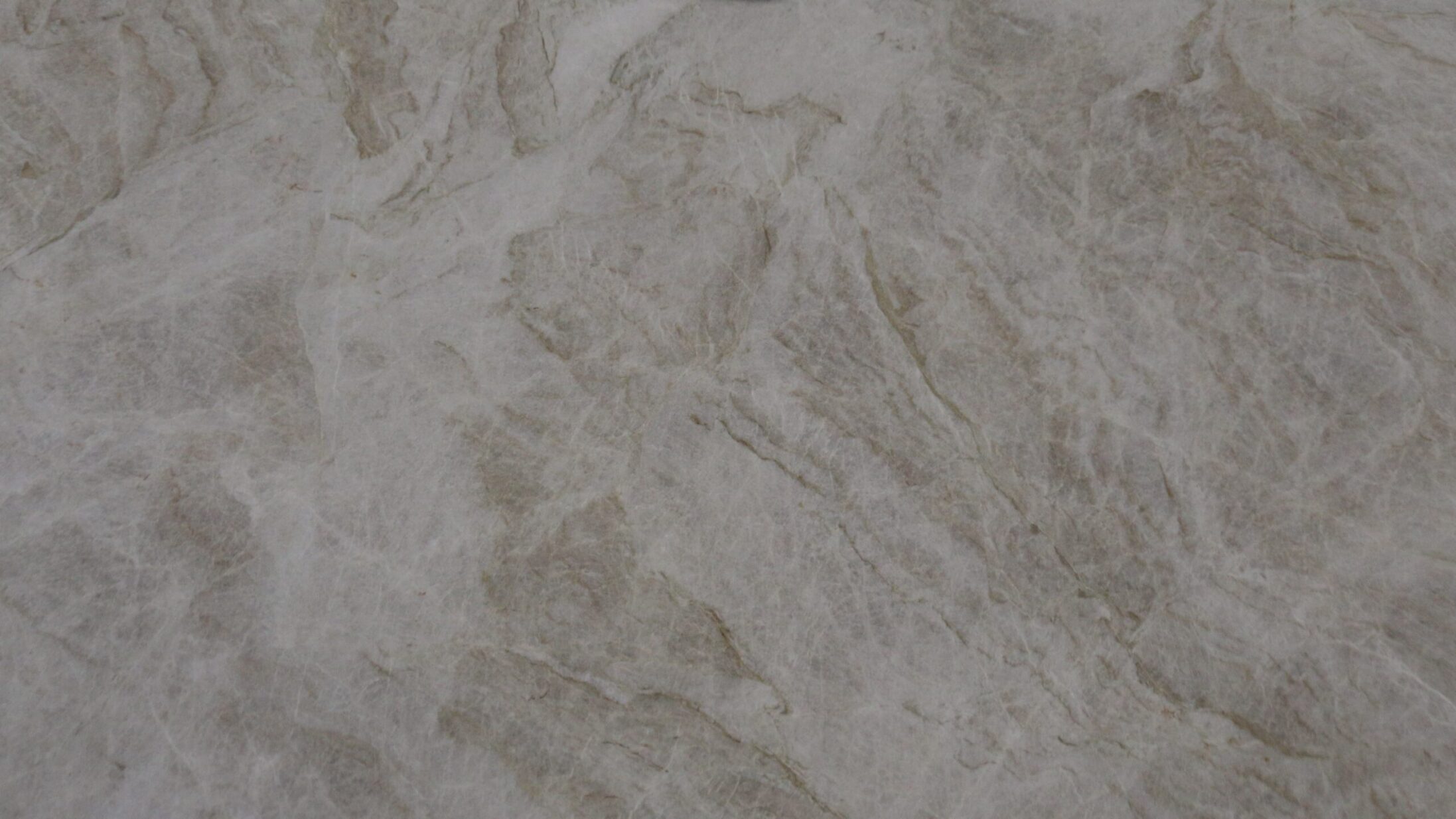
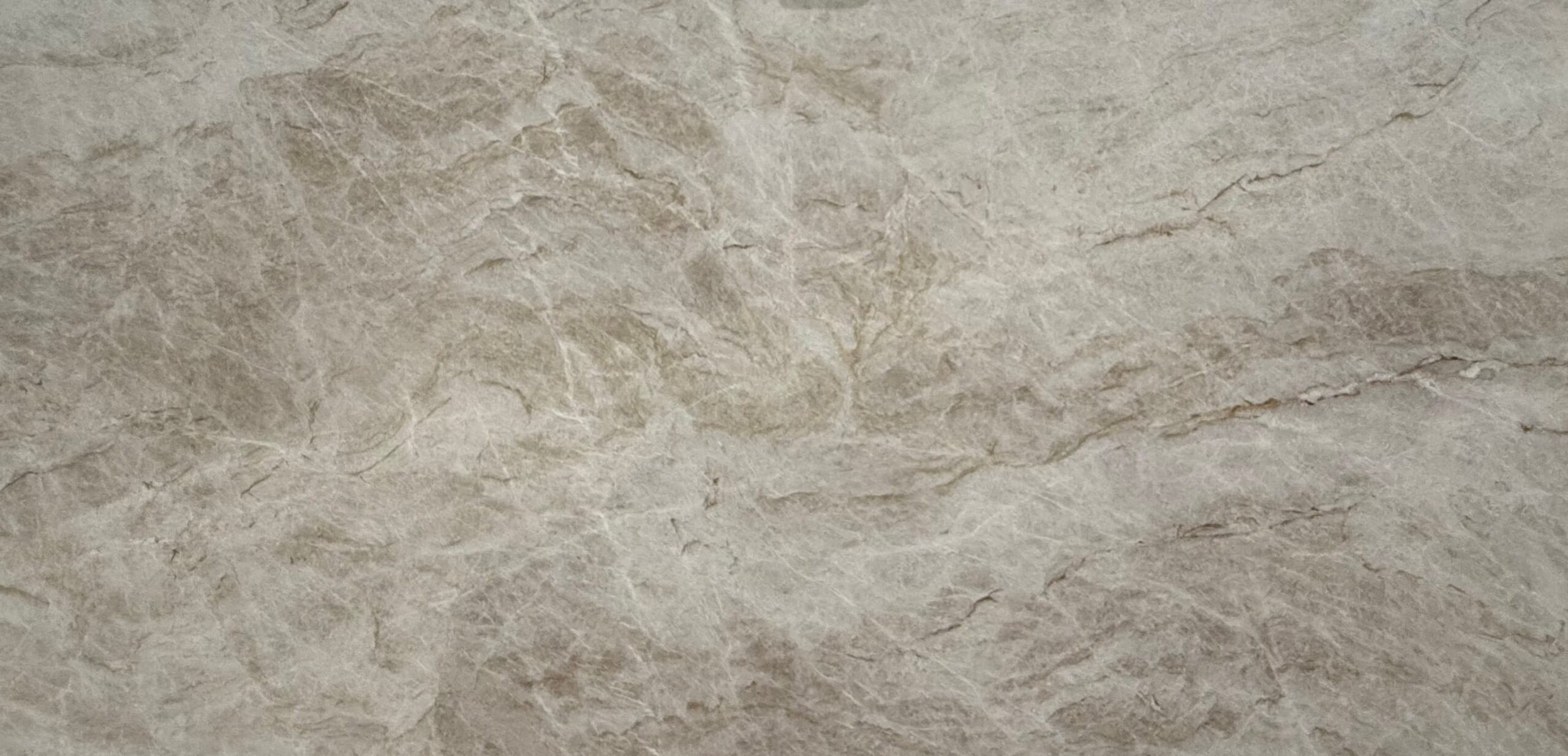
Like all natural stones, Taj Mahal Quartzite varies from slab to slab. Some may feature dramatic veining, while others display a more uniform appearance. These natural variations ensure each installation feels unique. Somes times you can see a tone shifts, with some batches seeming darker than others.
Available finishes include:
-
Polished: Glossy and reflective, highlighting veining and colour
-
Honed: Smooth and matte for a softer, modern aesthetic
-
Leathered: Textured and organic, offering visual depth and warmth
These options allow homeowners to tailor the stone’s appearance to their specific design preferences.
Taj Mahal Quartzite Finish Options
Taj Mahal Polished
A polished finish enhances the stone’s luminosity, drawing attention to its intricate golden veining. Perfect for those wanting a luxury, high-gloss focal point in their kitchen or bathroom.
Taj Mahal Honed
The honed finish provides a smooth, matte surface that’s ideal for subtle, contemporary spaces. It also helps conceal minor marks or etches in high-traffic kitchens.
Taj Mahal Leathered
For rich texture and natural appeal, the leathered finish adds dimension while maintaining the stone’s elegant creamy tones. It suits rustic, transitional, and modern designs alike.
Visit our showroom to explore these finishes in person and find the perfect fit for your project.
Design Ideas for Using Taj Mahal Quartzite
Though quartzite is not as commonly spotlighted as marble or granite, it is one of the most underrated stones on the market. Its soft tones and gentle veining make it an ideal choice for homeowners seeking a calm, timeless atmosphere.
Below are practical and stylish ways to incorporate Taj Mahal Quartzite into your kitchen.
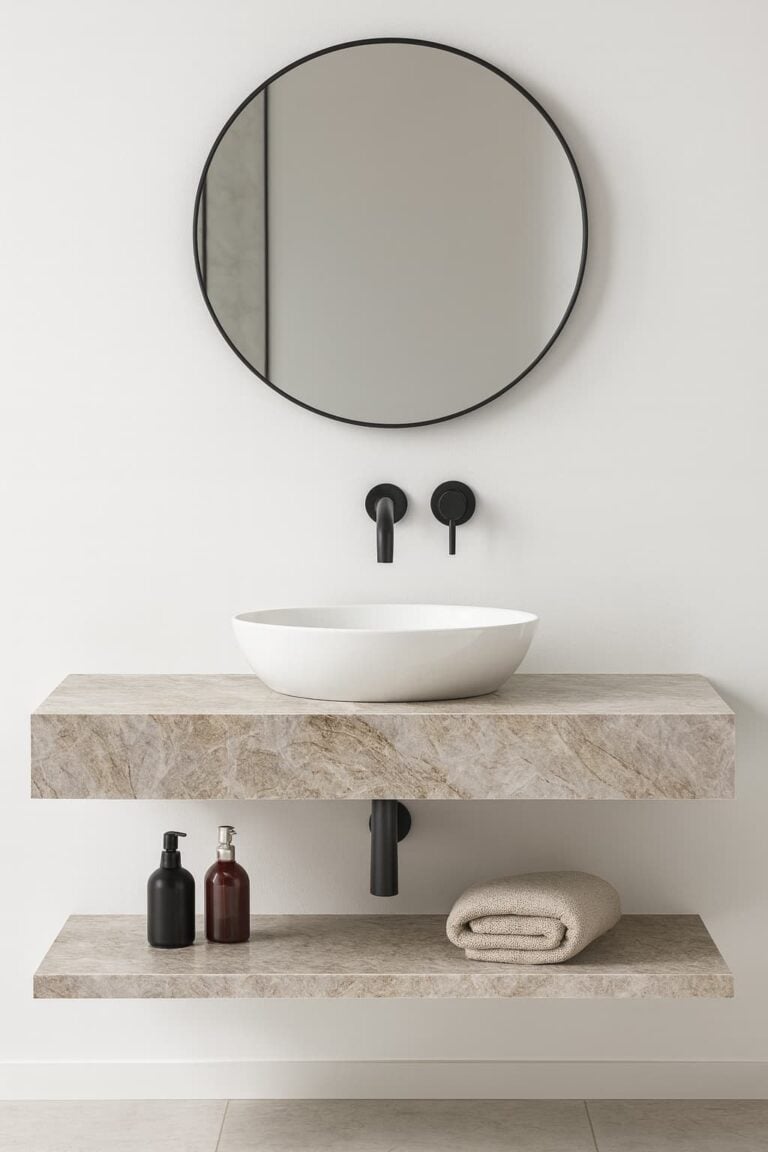
Elegant Taj Mahal Quartzite Countertops
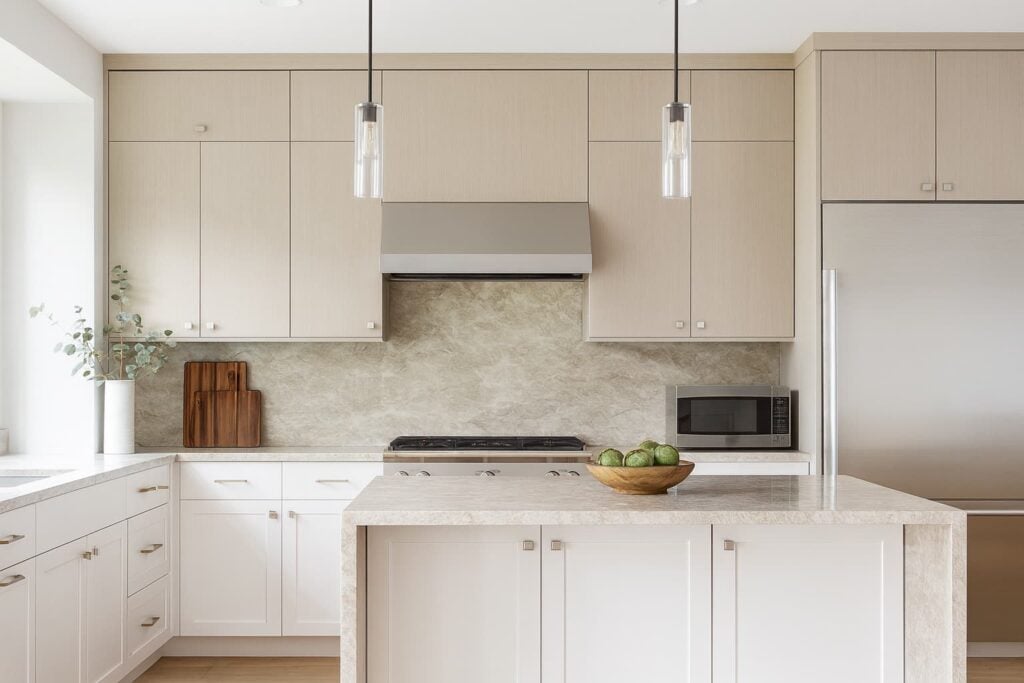
Taj Mahal Quartzite countertops instantly elevate a kitchen with their warm undertones and sophisticated veining. They pair effortlessly with a wide range of cabinetry, hardware, and décor styles.
Design Ideas for Countertops
-
Classic Elegance: Combine with white or light cabinetry and brass hardware for a bright, airy look.
-
Modern Contrast: Pair with black or dark wood cabinetry to accentuate the stone’s subtle tones.
-
Rustic Warmth: Choose natural timber cabinets and a leathered finish for an earthy, inviting atmosphere.
-
Minimalist Style: Keep lines clean and accessories simple to let the stone take centre stage.
Stylish Backsplash Ideas Using Taj Mahal Quartzite
A Taj Mahal Quartzite backsplash brings cohesion and refinement to your kitchen design.
Popular Backsplash Options
-
Full Slab: Creates a seamless, luxurious backdrop with uninterrupted veining.
-
Subway Tiles: Offers a classic, versatile layout using quartzite cut into rectangles.
-
Mosaic Patterns: Adds texture and artistry to the space.
-
Contrasting Grout: Highlights tile layout and stone colour for a bold, modern effect.
Benefits of Taj Mahal Quartzite
Benefits
-
Durability: Exceptional resistance to heat and scratching.
-
Low Maintenance: Less porous than many stones, with minimal upkeep required.
-
Timeless Beauty: A neutral palette that suits any style and enhances resale value.
When you consider its lifespan, aesthetic impact, and practicality, Taj Mahal Quartzite becomes a cost-effective long-term investment.
Conclusion
Taj Mahal Quartzite beautifully blends natural elegance with everyday durability. Inspired by one of the world’s most admired architectural wonders, this stone adds softness, sophistication, and timeless charm to any kitchen.
Whether you choose polished, honed, or leathered slabs, Taj Mahal Quartzite delivers both style and function—making it a favourite for homeowners seeking a truly elevated design.
Ready to Transform Your Kitchen?
Explore our full quartzite collection and find the perfect Taj Mahal slab to bring your project to life.
Frequently Asked Questions About Taj Mahal Quartzite.
A natural stone quarried mainly in Brazil, known for its creamy white tones and soft golden veining. It is classified as a quartzite, and as such demonstrates hard and durable properties associated with other metamorphic rocks.
How is Taj Mahal Quartzite different from other quartzites?
Its quartzite makeup gives it unique colouring and subtle patterns.
Is Taj Mahal Quartzite good for high-traffic kitchens?
Yes—its incredibly robust, demonstrating incredible scratch resistance, and low porosity. These qualities make it ideal for busy households.
Can it be used for both countertops and backsplashes?
Absolutely. Its versatility and beauty make it an excellent choice for all kitchen surfaces.
What is the difference between polished, honed, and leathered finishes?
-
Polished: Shiny and reflective
-
Honed: Smooth and matte
-
Leathered: Textured, matte, and more rustic