Why Choose Travertine Flooring for Your Sydney Home?
Travertine has been used as a flooring stone since Roman times, and its appeal has never faded. Its warm, earthy tones and naturally layered texture give a floor depth and character that manufactured tiles cannot replicate, and its neutral palette sits just as comfortably in a contemporary coastal home as it does in a traditional one.
It is also a genuinely practical choice for Sydney living. Travertine is a dense, hardwearing stone that handles daily foot traffic well, and its natural surface texture offers good slip resistance, which is why it is so often specified for bathrooms, pool surrounds and alfresco areas. Used indoors, it stays pleasantly cool underfoot through Sydney summers. And because it is a natural stone, individual tiles can be repaired or replaced without relaying the whole floor. Browse stone flooring applications to see where travertine fits within the broader Euro Marble range.
Which Travertine Varieties Can You See in the Showroom?
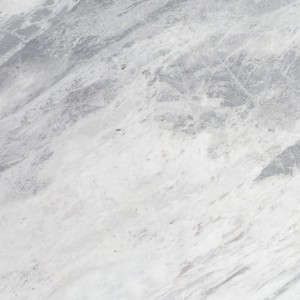
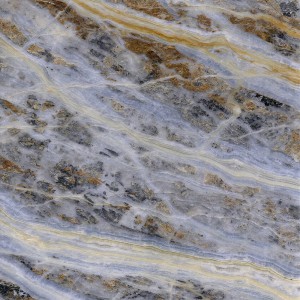
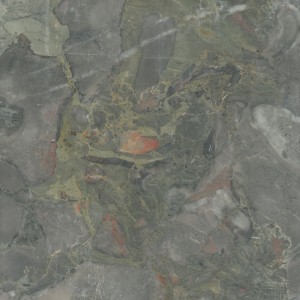
Euro Marble stocks travertine as part of a collection of more than 150 natural stone variants, with each travertine available for viewing in person at Marrickville. The most requested varieties for Sydney flooring projects are:
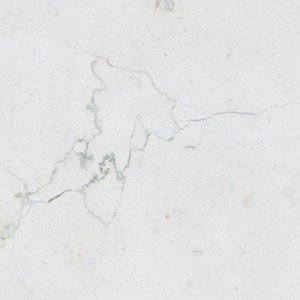
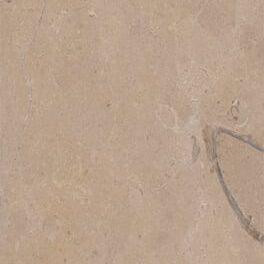
Travertine Navona
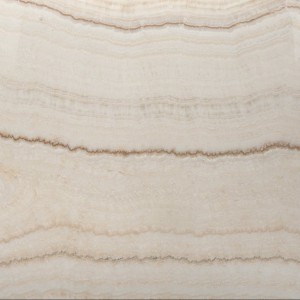
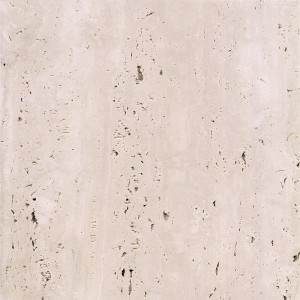
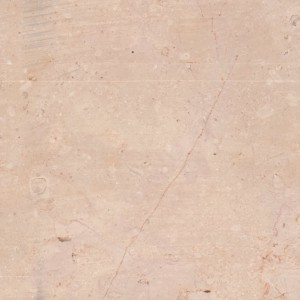
The classic Roman travertine: a light ivory-cream stone with soft, linear movement. Available un-filled for clients who want the stone’s natural open texture, or filled and honed for a smoother contemporary finish.
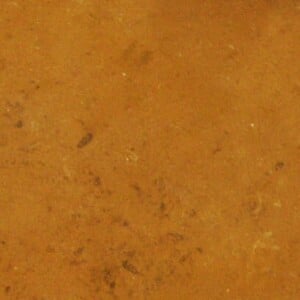
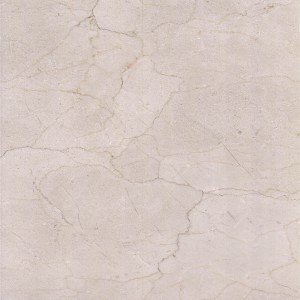
Travertine Noce
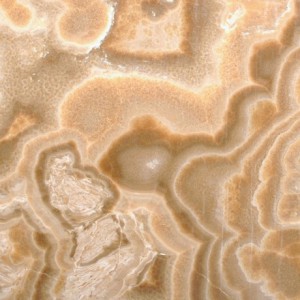
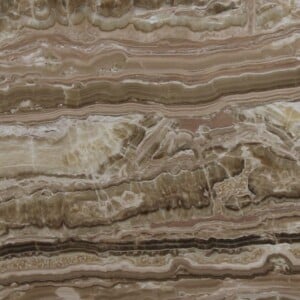
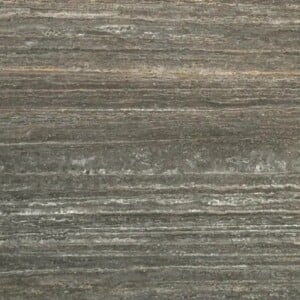
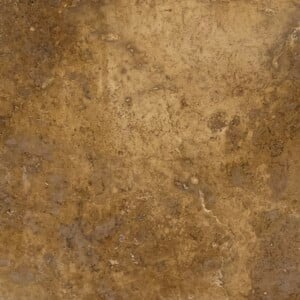
Noce takes its name from the Italian word for walnut: a rich, warm brown travertine that grounds a room and pairs beautifully with timber joinery.
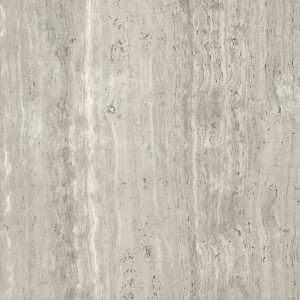
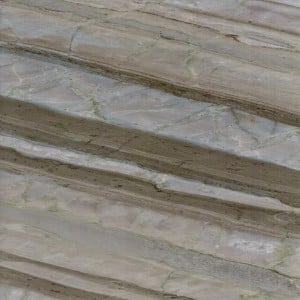
Silver Travertine
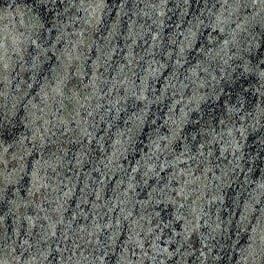
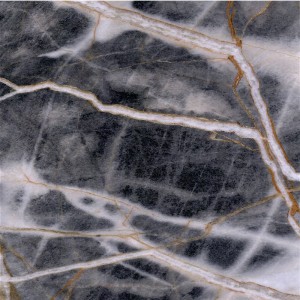
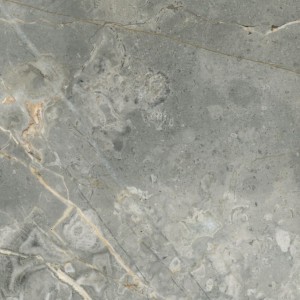
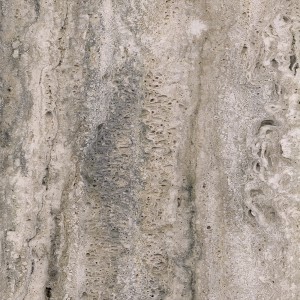
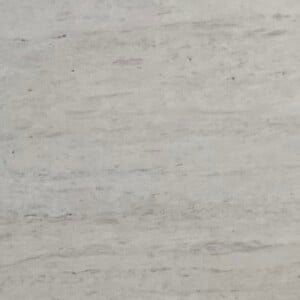
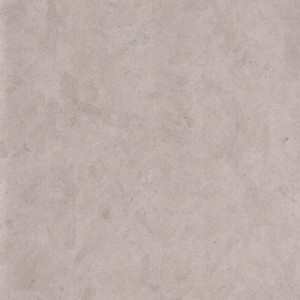
Silver Travertine carries cool grey and silver banding, a contemporary alternative to the traditional cream tones and a strong choice for modern interiors and bathrooms.
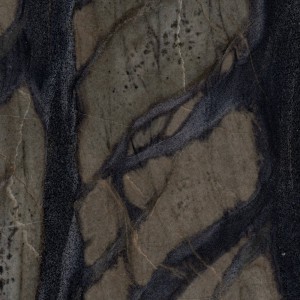
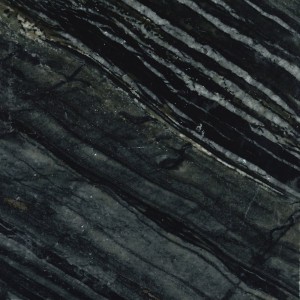
Titanium Travertine
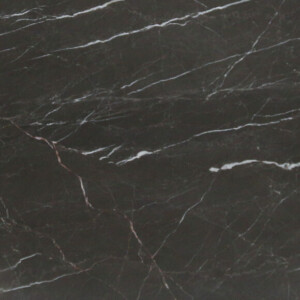
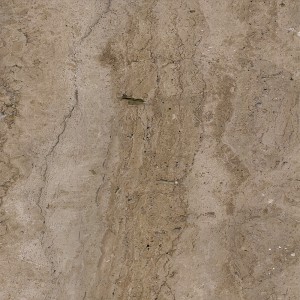
The most dramatic stone in the range, Titanium Travertine layers deep charcoal, bronze and grey tones for floors and feature applications that need real presence.
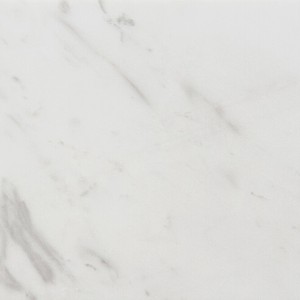
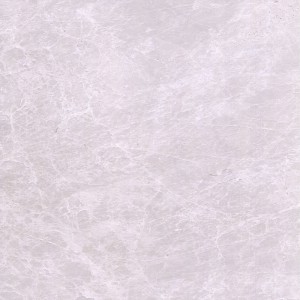
White Travertine and Travertine Rustico
The collection also includes White Travertine, for the palest and most understated floors, and Travertine Rustico, a more textured variety suited to rustic and outdoor settings.
Each variety can be supplied filled or un-filled, and finished honed or tumbled, depending on the look you are after and where the floor is going. The team will walk you through what each combination means for appearance, slip resistance and upkeep.
Where Does Travertine Flooring Work Best?
Indoors, travertine flooring suits living areas, hallways, kitchens and bathrooms, where its texture and tonal variation soften large expanses of floor. It is a natural partner for travertine vanity tops in bathroom renovations, letting floor and vanity read as one continuous material.
Outdoors, travertine is one of the most popular stones in Sydney for pool surrounds, alfresco areas and garden paths. It stands up well to sun, rain and coastal conditions, and travertine pavers can be cut to carry an indoor floor seamlessly out to the entertaining area.
What Are the Pros and Cons of Travertine Flooring?
Travertine is a natural stone, and honest advice about how it lives matters more than a sales pitch. After 35+ years supplying and installing it across Sydney, this is how Euro Marble sums it up.
The pros:
- Hardwearing and long-lived. A properly sealed travertine floor handles everyday family traffic and keeps its character for decades.
- Naturally slip-resistant. The stone’s texture, especially in tumbled or un-filled finishes, makes it well suited to wet areas and pool surrounds.
- Timeless to look at. Earthy, neutral tones that do not date, in a surface where no two tiles are ever identical.
- Repairable. Individual tiles can be re-honed, repaired or replaced, which is rarely practical with manufactured flooring.
- Comfortable in the Australian climate. Cool underfoot in summer and equally at home indoors and out.
The cons:
- It is porous, so it needs professional sealing at installation and periodic resealing to protect it from moisture and staining.
- It does not like acidic or abrasive cleaners. Warm water and a mild detergent are all it needs, but harsh chemicals can etch the surface.
- Un-filled travertine’s natural pits can catch dirt in busy indoor areas, which is why the team will often recommend a filled and honed finish for high-traffic rooms.
None of these are reasons to avoid travertine. They are simply reasons to buy it from a supplier who cuts, installs and seals it properly, and who shows you how to care for it before signing the project off.
How Much Does Travertine Flooring Cost in Sydney?
The installed cost of a travertine floor depends on the variety you choose, whether the stone is filled or un-filled, the finish, the format (tiles, pavers or slab), the area being covered, and the complexity of the site and installation. Rarer varieties and larger formats sit higher in the range; classic cream travertines in standard tile formats are among the most accessible natural stone floors available.
Euro Marble provides fully installed quotes covering supply, cutting, installation and sealing, so the number you see is the number you pay. Call (02) 8585 2999 or request a quote online with your room dimensions and preferred variety.
How Does Euro Marble Supply and Install Travertine Flooring?
Every travertine floor runs through the same in-house process, with one team accountable from first visit to finished floor.
- Showroom selection. You view full travertine slabs and tiles in person at Marrickville and choose the exact stone for your project.
- Measure and specification. The team confirms measurements, layout, finish and edge details on site.
- Cutting and finishing. Your stone is cut to specification in the Marrickville workshop using 5-axis CNC and waterjet machinery. Nothing is outsourced.
- Installation. Euro Marble’s own stonemasons lay, seal and finish the floor.
- Care walk-through. Before sign-off, you are shown exactly how to clean, protect and reseal your travertine so it ages beautifully.
It is the same end-to-end approach behind Euro Marble’s 4.9-star Google rating and more than 35 years of Sydney stonework. In clients’ own words:
“Streets ahead of the other marble places in Sydney. They are very helpful with a great selection to choose from! Their stonemasons should be highly commended as they have great attention to detail when installing.” – Cat, Google review
“I highly recommend this family business for any job in Sydney. Their service and professional workmanship was above and beyond. Very helpful and responsive to our requests.” – Matthew Malone, Google review
Read more client testimonials or explore the installation and design services behind every project.
Visit the Euro Marble Showroom in Marrickville
Photographs flatten travertine. Its texture, tonal shifts and surface character only really make sense when you are standing on it, which is why the Euro Marble showroom displays travertine in full-slab and tile format alongside marble, granite, quartzite and onyx.
The showroom and workshop are located at 11 Rich Street, Marrickville NSW 2204, open to both trade and residential clients. Call (02) 8585 2999 or book a showroom visit to see the travertine range in person.
Frequently Asked Questions
What is travertine?
Travertine is a natural stone formed from mineral deposits in and around water beds, making it an early form of limestone. It is quarried mainly in Italy, Iran, Turkey, Mexico and Peru, and its layered formation gives it the earthy tones and subtle texture it is known for.
Is travertine flooring expensive?
Travertine is one of the more accessible natural stone floors. The installed cost depends on the variety, finish, format and complexity of the installation, with classic cream varieties in standard tile formats at the accessible end of the range. Euro Marble quotes every project fully installed, so there are no hidden extras.
Is travertine good for bathroom floors?
Yes. Travertine’s natural texture gives it good slip resistance, and once professionally sealed it handles the moisture of a bathroom well. It is one of the most popular natural stone choices for Sydney bathroom floors, often paired with a matching travertine vanity top.
Does travertine flooring need sealing?
Yes. Travertine is porous, so it is sealed at installation and should be resealed periodically to protect it from moisture and staining. Euro Marble seals every floor it installs and walks you through the resealing schedule before sign-off.
Is travertine durable enough for busy areas?
Travertine is a dense, hardwearing stone that copes well with everyday family traffic. For the busiest indoor areas, such as entrance halls, the team will usually recommend a filled and honed finish, which keeps the surface easier to maintain.
Can travertine be used outdoors and around pools?
Yes. Travertine is one of Sydney’s most popular stones for pool surrounds, alfresco areas and paths. It handles sun, rain and coastal conditions well, and its slip resistance makes it a safe choice around water.
Where can I see travertine flooring in Sydney?
At the Euro Marble showroom, 11 Rich Street, Marrickville NSW 2204. Travertine Navona, Noce, Silver, Titanium and more are on display in full-slab and tile format, and the showroom is open to homeowners, architects, interior designers and builders.
See Travertine in Person at the Marrickville Showroom
Come and compare Travertine Navona, Noce, Silver and Titanium side by side, and meet the team that will cut and install your floor.
→ Browse the travertine collection
→ View installation and design services
→ Book a showroom visit or request a quote | (02) 8585 2999