Australia’s Engineered Stone Ban: Why natural stone reigns supreme

Australia's Engineered Stone Ban

Australia has taken a groundbreaking step in workplace safety. 

As of 1 July 2024, the recently implemented nationwide ban on engineered stone has taken effect.

About the Ban

What exactly has been banned?

The 1 July ban prohibits the manufacturing, supplying, processing, and installation of engineered stone benchtops, panels, and slabs across all Australian states and territories. 

Why Has Australia Banned Engineered Stone?

This decision by the Australian government came in response to the rising cases of silicosis among workers who manufacture engineered stone.

Workers have been exposed to silica dust which is generated during the manufacturing, processing, and installation of engineered stone products. Exposure of this kind can lead to the development of lung cancer, kidney disease and chronic obstructive pulmonary disease.

The ban follows years of campaigning by doctors, trade unions, and workers, and was supported by a report of evidence supplied by the Department of Employment and Workplace Relations.

What is the Difference Between Engineered Stone and Natural Stone?

So, what’s the difference between engineered stone, which is banned, and natural stone, which is not banned?

Engineered stone is a composite material made by man. It is produced by mixing crushed stone with a resin binder. When cut, drilled, or ground, it releases dangerous silica dust from the crystalline silica that can cause severe health issues.

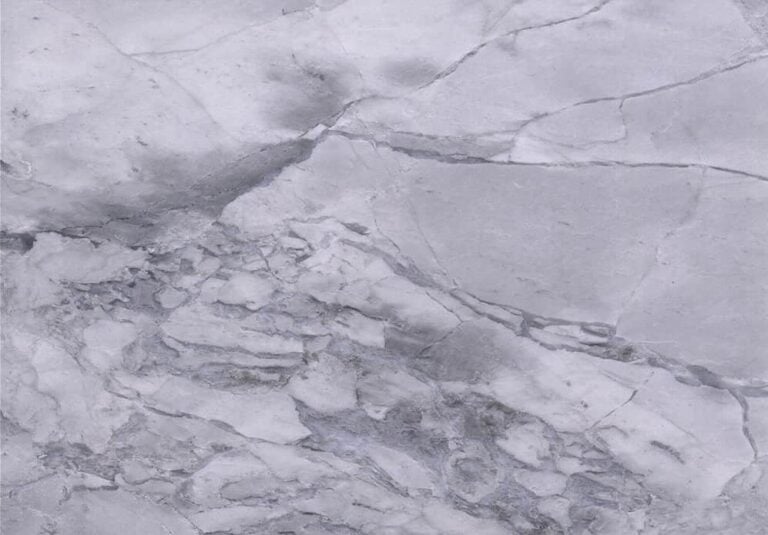
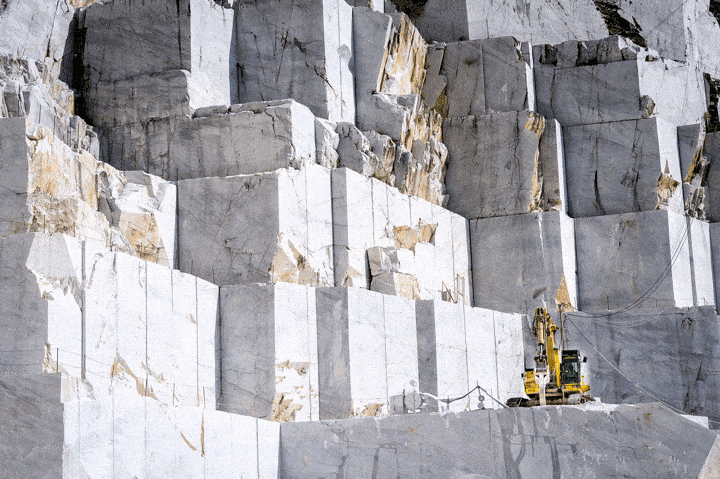
By contrast, natural stone is–for want of a better word–natural. It is formed over millions of years in the Earth’s crust and through various environmental processes, including intense amounts of heat and pressure. 

As such, there is no need for artificial and potentially dangerous additives or a harmful manufacturing process to produce natural stone.

10 Reasons Why Natural Stone Reigns Supreme

While engineered stone is no longer an option for home owners in Australia, natural stone has long been the superior and recommended choice. Why?

1. Composition

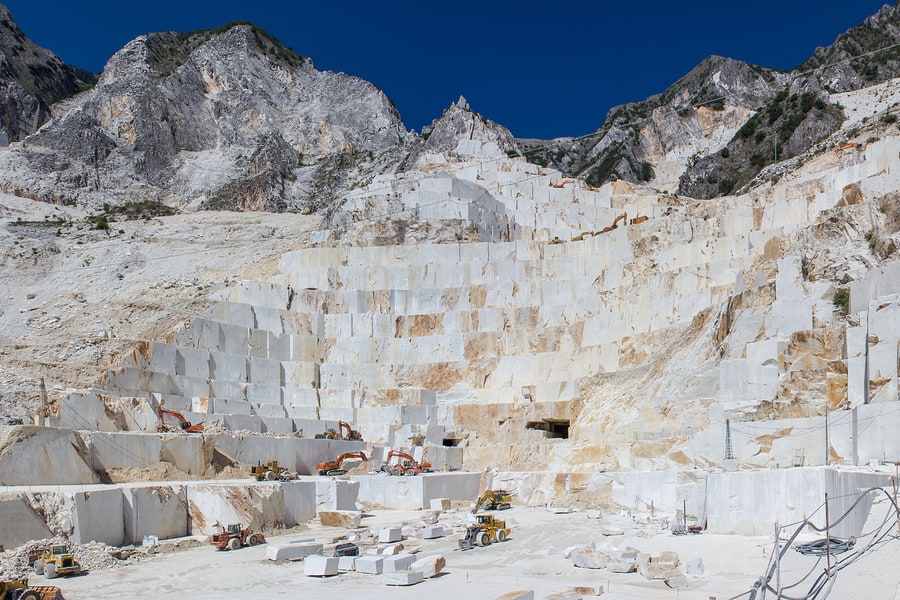
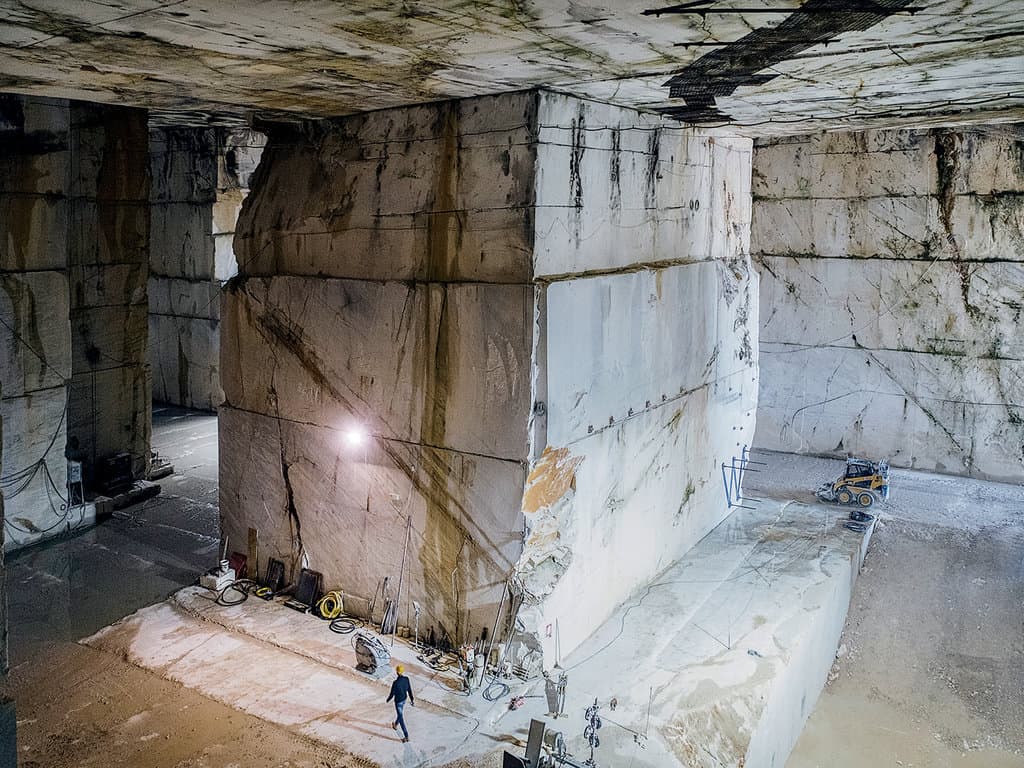
Natural stone is quarried directly from the earth. While it is cut to size, it is not manufactured artificially in a factory. Hence it is 100% natural material. Engineered stone is manufactured using crushed natural stone (most commonly quartz) mixed with resins, binding agents and pigments.

2. Uniqueness

Engineered stone has been provided in a range of shades and styles, but because it is produced in a factory, the stone slab provided to you is hardly unique. Natural stone is one of its kind as there is no other stone exactly like that on Earth. This makes your stone benchtop, wall cladding or vanity completely unique.

3. Easy Maintenance

Being raw rock quarried from the Earth, natural stone is highly durable and hardy. While different types of stone offer different levels of porousness and hardiness, with the right professional sealing and easy maintenance routines it’s simple to maintain and keep looking fabulous. 

4. Heat Resistant

Natural stone is typically more heat resistant than most types of engineered stone. While sudden and extreme temperature exposure can still damage natural stone, it is still the hardier material as far as heat is concerned.

5. Environmental Impact

Natural stone does not require energy-intensive or polluting manufacturing processes. It is simply quarried from the ground and cut to size. This makes it the least environmentally impactful of the two options and the greener choice.

6. Appearance

Yes, beauty is in the eye of the beholder but natural stone’s unique, organic and wondrous look brings not just fashion but visual authenticity to any room of the house. While engineered stone tries to mimic the pattern and aesthetic of natural stone, the reality is that there is nothing that can replace the real deal. 

7. Safety

Natural stone does not pose the same health risks that engineered stone does. It contains far less crystalline silica and is not exposed to the same sort of artificial manufacturing process that has put workers’ health and lives in danger for decades.

8. Versatility

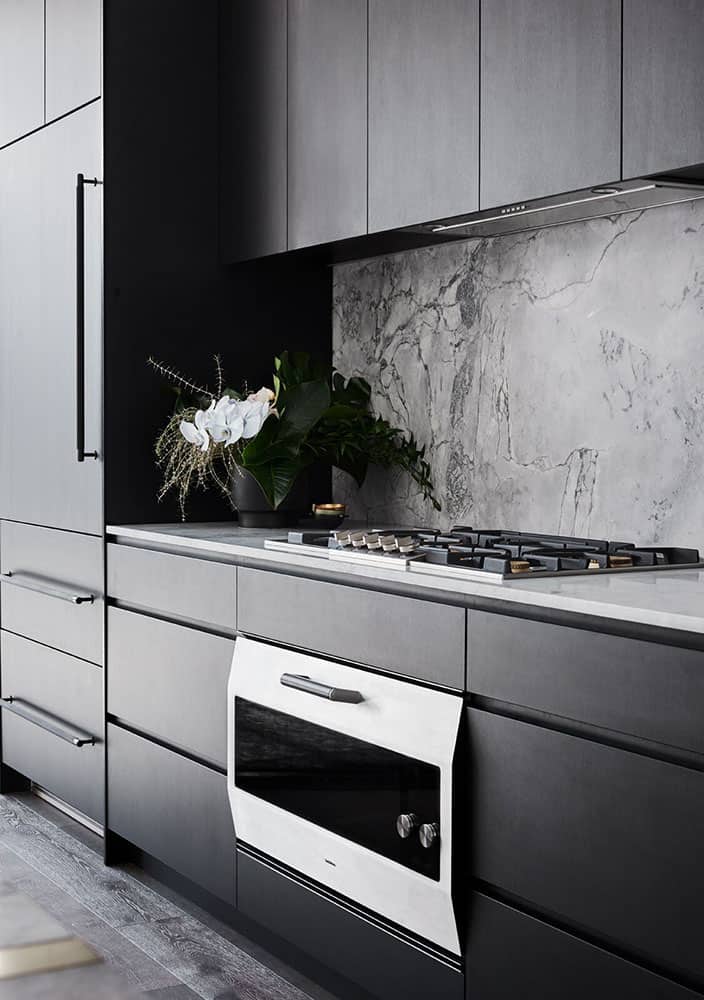
Natural stone can and has been used in a wide variety of applications across the home. This includes the more popular uses such as benchtops and splashbacks, but even fireplaces, staircases, bathroom vanities, showers, flooring and wall cladding as well.

9. Value

Natural stone is the more expensive option of the two, but while it is more of an investment upfront, natural stone often increases property value due to the luxurious nature, longevity, and timeless appeal of the material. 

10. Variety

There are many different types of natural stone. Whether you prefer granite or marble, limestone or travertine, each type of stone brings with it a unique combination of aesthetics and functional benefits. Even within each sub-category of natural stone there is such a wide variety of shapes, patterns and styles that there is a perfect slab for everyone!

The Future of Stone in Australia is Natural

As Australia moves away from engineered stone for legitimate health-related reasons, natural stone continues to stand tall as a safe, beautiful, and enduring alternative. 

Natural stone has been a cornerstone (no pun intended) of construction and interior design since the ancient days of Egypt, Mesopotamia, Greece and Rome.

In 21st century Australia, natural stone continues to offer a sophisticated beauty and practical functionality throughout the home. 

If you’re wondering how you can incorporate the fantastic material that natural stone into your home, make sure to reach out to the premier suppliers of stone–Euro Marble!

Discover the Beauty and Benefits of Natural Stone

Embrace the timeless elegance and safety of natural stone in your home. Contact Euro Marble today!

Kitchen Island Ideas And Inspiration

Kitchen Island Ideas And Inspiration

Exploring different kitchen island ideas and inspiration is a fun way to go about customising a highly functional and practical component of your kitchen.

With the right design, your kitchen island can make the most of even a compact space and also help you infuse a bit of personality and flair into this central room of the home.

Introducing the Kitchen Island

A kitchen island is basically a freestanding cabinet or countertop unit. It is most commonly positioned in the centre of a kitchen and serves as a multifunctional workspace and aesthetic focal point. 

Often, the kitchen island replaces the more traditional designs of a benchtop connected to the sink, stove and oven area.

Kitchen islands are highly versatile as customisation and careful design can provide extra counter space, storage, and even seating. Between that and their pure visual appeal, islands are highly desirable features in modern kitchens.

The Benefits of Kitchen Islands

When deciding between different kitchen island ideas, consider which (if not all) of the following benefits and uses of your island are important to you.

  • Providing extra space for food preparation 
  • Extra storage for cookware, utensils, and appliances
  • Providing a casual dining space with bar seating
  • A natural gathering spot for family and guests
  • Opportunity to incorporate appliances like sinks, cooktops, or dishwashers
  • Visual separation between cooking and living areas in open-concept homes

12 Kitchen Island Designs to Inspire You

1. Two-tone islands

A two-tone kitchen island allows you to mix and match the colours and materials you love for some genuinely arresting visual contrast.

Contrasting colours between the island base and the benchtop itself adds a dimension of depth and aesthetic enhancement. For example, a navy blue island base paired with a white marble countertop balances both a bold colour scheme without being too over the top.

2. Waterfall countertops

The waterfall kitchen island design includes the extending of the countertop material down the sides of the island for a sleek, modern look.

Apart from the aesthetic appeal, the waterfall countertop effectively ties together the interior design by making the island feel more connected in the way it naturally flows into the space around it.

3. Curved islands

Softening the kitchen’s angular lines with rounded or oval-shaped islands is not just visually appealing, there are functional benefits too.

Busy households with young children or countertops that see a hive of surrounding activity might benefit from the lack of sharp corners and edges.

4. Fluted details

Kitchen island designs featuring fluted edges are becoming more and more popular.

Fluted detailing adds texture and depth to island facades thanks to the intricate and appealing vertical grooves or ridges.

5. Integrated appliances

Seamless incorporation of anything from refrigerator drawers to wine coolers, or from dishwashers to rubbish bins can help reduce the feeling of clutter from the kitchen and make your food preparation convenient and accessible.

While this design is highly practical, there’s no reason why integrating your appliances into the kitchen island can’t look amazing as well!

6. Statement lighting

Sometimes your kitchen island design is not just about your kitchen island.

Using bold pendant lights or chandeliers that are placed directly above the island will effectively create a focal point and draw attention to your beautiful countertop.

7. Open shelving

Incorporating open shelves into the kitchen island can offer functional and fashionable utility.

It’s an easy way of storing and accessing the items you need but also provides the perfect space for displaying cookbooks or decorative items.

8. Mixing materials

While the aforementioned two-tone kitchen island can incorporate mixing materials as well as colours, it doesn’t necessarily do so.

Intentionally incorporating different textures like wood, stone, and metal opens the creative doors and allows the creation of a layered, sophisticated look.

9. Cantilevered countertops

Cantilevered countertops help to create an arresting floating effect with extended countertops for bar seating.

If you love entertaining family and friends and want a sophisticated yet casual area for your loved ones to gather around, a cantilevered countertop will do just the trick.

10. Multi-level islands

Multi-level islands are becoming increasingly popular.

Incorporating different heights allows for your island to be used for various functions. For example, a lower section may be great for food preparation and clean up, while a raised area with carefully chosen seating makes for a fantastic spot for dining.

11. Bold colours

Consider what sort of ambiance you want your kitchen to have. As a focal point of the space, the kitchen island should complement your chosen design aesthetic. 

One spectacular way of making a visual statement is by incorporating vibrant hues like emerald green, deep purple, or coral in your kitchen island.

12. Food preparation tools

There are many ways in which you can customise your kitchen island to assist with your food preparation.

One of the more popular options is butcher block inserts. Adding a built-in cutting board section to the countertop allows for convenient and cleaner food preparation.

Match the Perfect Stone with Your Kitchen Island Ideas

When designing your kitchen island, you need to consider your specific needs and the available space. But you also need to consider what will bring you joy and make your home a lively, enjoyable space to live in.

Discover the Perfect Stone for Your Kitchen Island

As the premier provider of natural stone, Euro Marble can help you find the ideal material for your kitchen island design. Contact us today!

Which Natural Stone is Most Durable?

Which Natural Stone is Most Durable

What is the most durable natural stone?

This is a question that actually doesn’t have the most straightforward of answers. Why? We’ll get to that in just a moment. But to understand the different levels and types of durability in stone, it’s important to understand what natural stone is and its properties.

Introduction to Natural Stone

Natural stone is a product of nature’s geological processes. Over time, and with heat and pressure, stone develops in unique and wondrous ways giving every single slab and block a timeless beauty that has been revered, enjoyed and used throughout history.

The different types of natural stone available all possess unique characteristics that make it suitable for a variety of applications in both construction, interior design and exterior decoration. 

While there are many different types of natural stone, the most popular and noteworthy ones include super white dolomite, marble, semi-precious stones, onyx stone, granite, limestone, slate, travertine, and quartzite.

Types of Natural Stone

As each geological formation of stone through heat and pressure differs, as well as the minerals and organic materials that make up each stone differ, different types of natural stone develop.

The various stones all come with distinguishable compositions, colours, benefits, veining patterns and features.

Durability in Natural Stone

When we talk about which is the most durable natural stone, we generally refer to its ability to withstand wear, damage and environmental factors over time. Other aspects, such as hardiness, resistance to scratching, resistance to staining, and resistance to moisture, can all factor into a stone’s overall level of durability.

When used in construction or interior design, durability is a critical factor. The more durable a stone is the longer it will last without the need for frequent repair or replacement. This is especially important in areas of high-traffic and activity, as well as spaces where it will be exposed to moisture, heat or both.

Durable stone doesn’t just preserve its functionality properties but also ensures its aesthetic appeal lasts for as long as possible. 

Which is the Most Durable Natural Stone?

Super White Dolomite

Super white dolomite is a visually stunning stone and actually a type of marble. It’s iconic for the distinctive bright white shading it has and the subtle but beautiful veining that runs through it. While relatively durable, it is more prone to scratching and etching than some of the other stones so sealing and maintenance are essential to preserve its appearance and functionality.

Marble Stone

Marble is perhaps the most iconic and recognisable of the natural stone varieties and is beloved for its timeless elegance and classic appeal. This metamorphic rock is typically white coloured or off-white with intricate patterns of veining but it can actually be found in a variety of colours. Marble is among the softer of stones, however, and so without ongoing resealing and care can be susceptible to scratching or staining.

Semi-Precious Stones

Semi-precious stones, such as agate or amethyst, are valued for their rarity and the unique visual appeal they offer. This type of natural stone is often used in luxury designs, but the different types can vary in hardness and durability. Some require careful handling and can be delicate while others are far more hardy.

Onyx

Onyx is a stone renowned for its translucent properties and captivating aesthetic. However, a side-effect of its unique translucency is a delicacy to the stone that prevents it from being among the most durable of types and more susceptible to scratching and staining when untreated and unsealed.

Granite

Granite is an igneous rock with an iconic coarse-grained structure that comes in a wide range of colours and styles. A strong contender for most durable natural stone, granite is renowned for its exceptional resistance to everything from scratches and heat. It’s one of the many reasons why granite is commonly used for everything from flooring to kitchen benchtops.

Limestone

Limestone is a sedimentary rock and brings a natural ascetic warmth and softness to any room of the house. Its compact calcite composition makes it a durable stone, especially when sealed and properly maintained, but it is softer than some of the other types on this list.

Slate

Slate is another candidate for the most durable natural stone award. This fine-grained metamorphic rock features distinct layering. Its high levels of scratch-resistance and durability make it an excellent and popular choice for use as roofing and flooring, with the inherent layer structure only adding to its strength. 

Travertine

Travertine is a subtype of limestone that’s formed in hot springs. It features a porous texture and unique surface voids. While regular sealing can maintain its appearance, it is relatively softer compared to other types of natural stone. 

Quartzite

Quartzite is a unique entry in this list. This hard metamorphic rock is formed from sandstone and is prized for its durability and resistance to various elements such as heat. Its robust nature helps it to resist scratches and staining and makes it a top contender for the most durable natural stone. 

Find the Most Durable Natural Stones at Euro Marble

In conclusion, while the durability of each type of stone requires consideration of various aspects of both the stone and application in question, there are some types that are more durable and others that are softer and more porous.

If you’re looking for the most durable natural stone, your best options are granite, slate and quartzite. However, each type of natural stone brings its own set of characteristics and benefits to the table, so there may be some options that are more suited or less suited to your particular application.

Discover Your Ideal Stone

Contact Euro Marble today to find the perfect stone with the right features for your needs.

Pros and Cons of Onyx Shower Walls

Pros and Cons of Onyx Shower Walls

Finding the right material for your shower can be crucial for the functionality of the space and the aesthetic of the room. An onyx shower wall offers many advantages in terms of maintenance, beauty, durability and practicality.

If you haven’t yet considered using this unique and exotic stone for your shower walls, you might want to take it into account. In this article, we’ll delve into the pros and cons of using onyx tiles for your shower walls.

How to Choose the Right Material for Your Shower Walls

Durability

Showers are exposed, of course, to a lot of water and chemicals. Without a hardy enough material covering the walls, you could find that wear and tear is exaggerated over time.

Maintenance

Consider the amount of maintenance and complexity of cleaning each particular material requires to keep it clean and free from damage.

Aesthetic

Thinking about your personal style preferences and how your chosen material will complement the overall bathroom aesthetic is important.

Cost

Most home renovations are done on a strict budget, so factor in the upfront and long-term costs of your chosen material from the outset.

Installation

Different materials come with different levels of installation complexity. This can affect your budget and timeline.

Availability

Various materials are procured from many far reaching sources. Natural stone, for example, is quarried directly from the ground and so supply can be limited. If you’re working to a strict timeline, you may want to consider availability.

Uniqueness

Engineered and factory produced materials are, by their very ‘nature’, identical. Naturally occurring materials, be it stone or wood, all form in nature and therefore are all unique in exact style and pattern.

What is Onyx?

Onyx is a stunning natural stone that is known for its translucent aesthetic quality and unique, banded appearances. It forms in caves as stalagmites and stalactites that meet over time and merge into this type of quartz mineral stone. 

Onyx comes in a range of vibrant colours and mesmerising patterns that makes it an ideal choice for a variety of applications, including shower walls. When used for walls and in interior design, slabs or pieces of onyx need to be cut down to size and shape. As with all shower walls, there is plenty of opportunity to customise your shower not just in terms of material but also in terms of the size, shape and pattern of your wall tiles.

Should you choose to have onyx shower walls?

Ultimately, the decision as to whether or not onyx walls are right for your bathroom comes down to you. It’s important to consider what your preferences and limitations are, as well as what each different material option has to offer.

To help guide you towards the right decision, we’ve listed the five top advantages and disadvantages of using onyx stone for your shower walls.

The Pros

1. Aesthetic Elegance

Onyx shower walls offer a luxurious and sophisticated ambiance. In addition to the captivating style and opulent shading, the stone’s natural translucent allows for a unique play of light that will be a welcome addition to your bathroom.

2. Versatility

Onyx stone comes in a wide variety of colours and patterns which provide homeowners with a wide range of design options. Additionally, onyx can be easily tailored to suit all sorts of interior design preferences whether it’s classic, modern or even rustic.

3. Uniqueness

Being natural stone, each slab of onyx is distinct and unique. The natural banding and veining of your onyx shower walls will be one of a kind and bring an exclusive level of personalisation to your bathroom.

4. Lighting Effects

Onyx tiles are often installed with a backlight to take advantage of the stunning visual effect of the light filtering through the translucent stone. This will make your bathroom all the more radiant and welcoming.

5. Temperature Control

Onyx stone has advantageous natural thermal properties that make it cool to the touch. In Australia, where we enjoy warmer weather, this is a refreshing and comforting feature for your shower walls.

The Cons

1. Cost

Perhaps the biggest drawback of onyx shower walls is the cost. This high-end material comes with a higher price tag than other shower wall materials. The initial cost of purchasing and installing onyx shower walls can be a worthy investment, but still require a larger budget than other options.

2. Scratching/Etching

Onyx, compared to some other materials, is relatively soft. While care can and should be taken when cleaning and maintaining, it is more prone to scratches and etching from acidic substances than other options.

3. Maintenance

Shower walls always need maintenance and ongoing cleaning to preserve beauty and hygiene. With onyx walls, however, sealing is also required to protect the stone itself from water damage, staining and deterioration over time.

4. Availability

Finding large and unblemished pieces of onyx stone can be challenging. This affects the options in terms of size and configuration of onyx shower wall tiles and can also affect the price.

5. Installation

Onyx’s delicate nature can make working with it and installing it tricky. You’ll need skilled professionals with experience handling and cutting this unique stone.

Find Out More About Onyx Shower Walls

Onyx walls can undoubtedly transform your bathroom into a lavish retreat. While it is important to crucially weigh the pros and cons carefully, consider your budget, and think about your aesthetic preferences, onyx stone has been and continues to be a popular choice in a variety of interior design applications.

Explore Onyx Shower Walls

Contact the Euro Marble team today to discuss your project and discover if onyx shower walls are right for you.

Marble Coffee Table Ideas And Inspiration

Marble Coffee Table Ideas And Inspiration

A marble coffee table is a perfect edition for any home, but understandably when choosing the right table for your house you’ll want one that blends style with functionality. 

It can be harder than expected to balance timelessness with sophistication when it comes to a marble coffee table. 

In this article, we’ll help guide you towards the ideas and inspiration that will help make your coffee table the talk of your next tea party!

Why choose marble for your coffee table?

Marble is a wonderful stone for use in interior design as well as construction. Renowned for its natural beauty and luxurious appeal, marble coffee tables are popular and continue to be popular among homeowners with a range of aesthetic preferences.

Of course, many people opt for the classic white and cloudy veined style of marble, but there is actually a diverse range of different colours that marble comes in. This makes finding the perfect slab of stone for your chosen aesthetic and style easy.

From a functionality perspective, marble – when treated and maintained correctly – is durable, long lasting and hardy enough to give you many, many years of joy. 

Should you customise your marble coffee table?

While there are plenty of marble coffee tables that are sold in stores, you may choose to have a custom created table. This will come with a significantly higher price tag, considering the amount of labour that goes into it, but it does offer the opportunity for you to tailor the dimensions, size and specifications to suit your needs and wants.

Whether or not you choose to order a custom table, it’s crucial to evaluate the size of the space in the room you plan on placing it. Remember, you’ll want to retain a harmonious balance between the table and the rest of the rooms, including the important but oft neglected empty space that keeps the area feeling spacious and liveable. 

From a style perspective, make sure you consider the overall aesthetic of the room. The colour and veining of the marble should harmonise with the existing decor. This doesn’t mean it has to be the same shade or match; you may choose for it to stand out and be a bold piece of furniture. 

10 Ideas for Using and Decorating a Marble Coffee Table

1. Minimalist Style

Marble stone is a piece of art in and of itself. Embrace its inherent beauty and the simplicity of a sleek, white marble coffee table to enhance the minimalist style of modern day living. Clean lines, sharp edges and a smooth surface will make a statement boldly without the risk of overpowering the space.

2. Contrast Your Furniture with The Table

If your living room already has light-coloured furniture, consider pairing it with a darker shaded marble coffee table, or vice versa. The juxtaposition of light and dark aesthetics adds visual interest and depth into the room in a low-key yet highly effective way.

3. Adorn with Botanical Elements

Elegantly chosen potted plants, vases of fresh flowers or other botanically-themed elements is a great way for you to bring the space around and above your marble coffee table to life. The natural elements complement the organic patterns found in the marble stone and allows you to freshen the entire aesthetic effortlessly.

4. Showcase Artwork

Coffee tables are often used as a surface for, you guessed it, coffee cups. But there’s no reason why you can’t treat your marble table as a canvas for art. Display a curated collection of sculptures, ornaments, books or even artwork to help create both a visual focal point and some interesting aesthetic dynamism.

5. Use Metallic Accents

When we said that you can use a marble table for all styles of interior design, we meant it. If you utilise metallic accents throughout the rest of your house, you may want your marble table to match. Introduce a bit of glamour with brass or gold accessories, such as a candle holder or tray, and you’ll easily create a palpable atmosphere of luxury.

6. Find Geometric Harmony

The shape of your marble coffee table can be really impactful stylistically. Geometrically shaped tables add a modern and fashionable flair, while square or hexagonal tables in particular bring a sense of balance to the room.

7. Opt for Vintage Glamour

Marble is glamorous, but you can dial it up even more and embrace a vintage style by choosing a coffee table with intricate detailing in the marble or a classic pedestal base. If you so choose, even pairing it with velvet or tufted furniture can help achieve a timeless aesthetic.

8. Candle Ambiance

Candles, scented or otherwise, are a great way to decorate a marble coffee table. A considerately arranged assortment of candles can contribute to a cosy and intimate atmosphere and, when lit, can enhance the natural beauty of the stone itself. 

9. Nautical Vibes

This idea might not be for everyone, but introducing some nautical vibes to your living space can be a really bold aesthetic statement. Light-coloured marble coffee tables adorned with sea-blue accessories and natural textures like woven baskets can create a coastal-inspired ambiance and introduce a serene and relaxed atmosphere to the space.

10. Books, Books, Books

Coffee table books is a genre of books all on its own and while books are fantastic ways to introduce an interesting and useful element to your coffee table, they also offer visual value. Play around with the arrangement of books to showcase some as ‘art’. Use your imagination with how you position the books to create some aesthetic depth with varying pile heights and different positions.

Looking For The Right Marble For Your Coffee Table?

A marble coffee table is more than just a piece of furniture. It’s an opportunity to introduce an element to your home that is useful, sophisticated and stylish. Whether you’re partial to classic aesthetics, modern design or eclectic looks, make sure to reach out to the team here at Euro Marble to find the right marble for your coffee table.

Only at Euro Marble

Discover a marble coffee table that's more than just furniture; it's a stylish, sophisticated addition to your home.

How to Style Your Custom Marble Plinth

How to Style Your Custom Marble Plinth

A marble plinth? Maybe you’ve seen one and wondered how you can incorporate it in your home. Maybe you’re not sure how to style the marble plinth you already have?

When it comes to enhancing the aesthetic appeal of a room or space in your home, a custom marble plinth is a timeless, excellent addition.

Often unfortunately overlooked in interior decor, plinths can serve as both functional and decorative elements in a home. To help you use your plinth to its utmost potential, we’ve put together this handy guide to styling a custom marble plinth with grace and sophistication. 

Understanding the Plinth

A plinth is a sturdy support structure, typically either square or rectangular in shape, with a flat base on top. Often, plinths are used to elevate sculptures, vases or other art pieces.

In historical times, they were also used in classical architecture to provide support or elevate decorative elements. In that respect, they slowly became more and more prominent and important.

In one’s home, plinths offer a variety of uses. Whether you have a specific piece of art you want to hero or a sentimental piece of your family history, a custom marble plinth can’t be beaten.

Why use marble?

Marble is a luxurious and durable natural stone and has long been associated with elegance, refinement and royalty.

There are many different reasons why marble makes the perfect material for use in your custom plinth.

Timelessness

Marble’s beauty is not limited to a specific style or trend. Its spectacular aesthetic is truly timeless and exudes a touch of classic sophistication in any space and context.

Durability

This hardy stone is both robust and long-lasting. If you’re investing in a custom designed plinth, you’ll want your chosen material to be as resistant to wear and tear as possible.

Visual versatility

Marble, surprisingly considering its most iconic white shading, comes in a wide range of colours and patterns. The distinctive veining varies from slab to slab and with each stone being unique and one of a kind, you can find and choose the perfectly complementary style to suit your existing decor and preferences.

Maintenance

Marble plinths are easy to keep clean and maintain. With simple, quick maintenance habits, you can keep your plinth looking as beautiful as the day you brought it home for long into the future.

How to Style Your Custom Marble Plinth

1. Remember that size does matter

Make sure that the piece of artwork you choose to display on your plinth complements the size of the structure itself. The plinth obviously needs to provide adequate support structurally, but even aesthetically, you do not want the plinth itself to completely swallow up the art piece or, in contrast, the art piece to overshadow the plinth.

2. Keep proportions in mind

Maintaining visual balance is critical. Ensuring the proportions of your plinth are in line and harmonious will make the entire space around the artpiece seem symmetrical, seamless and aesthetically appealing. If you’re in the initial stages of designing a custom plinth, you should consider the proportions from the outset.

3. Complement your decor

When choosing the marble stone for your plinth, consider the scheme and style of the rest of your home’s interior. You want to find a marble variety that complements rather than contrasts. Classic white Carrara marble is easy to pair and exudes sophistication, but darker and bolder marble plinths can make a very appealing and impressive statement.

4. Play with heights

If you have multiple plinths or pieces of art, try experimenting with different heights to create a dynamic visual impact. Varying heights adds depth and creates more visual interest in the display.

5. Use lighting

Lighting is an important element in interior design but it is also critical when styling a marble plinth. Subtle lighting can highlight the textures and patterns of the marble, while stronger lighting can solo the artpiece the plinth is displaying. Considering the overall visual impact of your display can help you determine the best type of lighting for the space.

6. Don’t overcrowd

Even if minimalism isn’t your go-to style, your plinth should be the exception. Overcrowding its base with too many objects will clutter the space and the impact of both the art and the stone will be lessened. Embrace the minimalist approach and remember that when it comes to marble plinths (which are already a work of art in and of themselves) less is more.

7. Rotate displays periodically

Simple changes can revitalize the ambiance of a room. Keeping your space fresh and interesting by rotating the objects displayed on your marble plinth is a super low hassle but highly effective way of rejuvenating the entire visual aesthetic.

Find your custom marble plinth today

Custom marble plinths are more than just pedestals – they’re opportunities to add elegant art and a distinct visual style to your home.

Understanding not just how to customise but style a plinth can help you leverage the benefits of marble and transform any room of the house into a sophisticated, timeless and beautiful area.

Custom Marble Plinth

Contact the Euro Marble team to explore custom marble plinths and discover styling tips to elevate your home's elegance.

European Stone Design Ideas

European Stone Design Ideas

European stone is renowned for its timeless elegance and enduring visual appeal. European stone and marble have long been used in construction and design and continue to be popular today.

If you love the idea of incorporating natural stone in your home, but are not quite sure how, you’re in the right place. In this article, we’ll introduce you to European stone, marble and design ideas so you can bring to life the home of your dreams.

What is European Stone?

The term European stone simply means any natural stone sourced from quarries across Europe. There are multiple types of stone, including but not limited to marble, limestone, travertine and granite. While they all offer the durability and hardiness typical of stone, each comes with its own qualities, patterns, colours and styles.

Some of the most well known quarries are located in Italy, Spain, Greece and France. The meticulous extraction and processing techniques, combined with the rich geological history of the quarries themselves, produce stones that are visually stunning. Combine that with their resiliency, and it’s not hard to understand why construction and design industries have favoured European stone and marble for centuries. 

What Makes it so Unique?

European stone and marble, in particular, are unique natural materials to be used in construction and design. The distinctive quality and aesthetic characteristics make stone from Europe notable even compared to other stones quarried in different countries. 

Overtime, European stone has become associated with luxury, opulence and even royalty. This has contributed to its popularity and enhanced its symbolic value. 

Additionally, the many quarries across Europe and the many different types of stone available means there are a wide variety of options to cater to widely varying and diverse design preferences. 

European Stone Design Ideas

So, how can you incorporate this amazing material into your home? 

1. Marble in the kitchen

The kitchen is an area of the house that needs to be highly functional and practically designed. But there’s still plenty of potential to add a sense of luxury and sophistication, and with European marble that’s easy to do.

The elegant veining of marble adds visual complexity whilst maintaining a refined subtlety in sharding and patterns to keep the interior design of the kitchen balanced and calming.

2. Travertine in the bathroom

Stone in your bathroom is a fantastic way of infusing natural warmth and practicality in one of the most often used rooms of the house. Travertine in particular is exceptionally well suited to be used in bathroom walls and flooring. Robust in its hardiness and aesthetically pleasing to a fault, you can opt for top-to-toe travertine or contain it to the floor or a single feature wall. 

3. Granite outdoor kitchens

Outdoor kitchens are very popular at the moment and offer a great utilisation of a backyard or courtyard to entertain the family or friends. Granite countertops for your outdoor kitchen offer a heat and scratch resistant material to withstand your cooking and activity whilst also coming in a range of shades and colours to suit any aesthetic. 

Uniquely, granite also offers a complex visual component thanks to the granular makeup of the stone. It looks natural yet spectacular when incorporated in an outdoor kitchen. 

4. Limestone fireplaces

Fireplaces are excellent opportunities to incorporate European stone in a home and limestone is one of the best materials for just such an application. The subtle beauty of this Earthy stone offers a beautiful focal point for the living room and exudes immense amounts of warmth and elegance.

5. Entryway floors

Welcoming guests into your home with a grand entryway of European stone and marble flooring will be a treat for everyone. There are plenty of styles and a range of differing intricate patterns to choose from so you can find the perfect slab to suit your preferences and match the rest of the house.

6. Garden paths

European stone pavers are a hassle-free way of creating a charming garden path. Even the natural, weathered look perfectly suits the rustic charm of many an outdoor landscape. Practical, durable and stunning, there are many ways of using stone to create walking paths in your backyard and garden.

7. Sculpture Art

Most of our inspiring ideas so far have focused on structural features of the home. But European stone and marble can be used, valued and appreciated as a piece of art in and of itself. A marble sculpture or a granite statue can suit both interior spaces and outdoor spaces. Timeless, stunning and highly reflective of your personality, they make for a fantastic addition to any home. 

8. Bathroom or kitchen backsplash

The humble backsplash offers some disproportionately sized design opportunities. A patterned European stone backsplash either in the kitchen or bathroom can subtly elevate the space with more visual interest and aesthetic depth.

9. Staircases

Humble staircases can be brought to luxurious life with European stone. There are plenty of colours and styles, not to mention types of stone, so finding the perfect visual aesthetic to suit the rest of your home is easy. Stone staircases aren’t just easy to maintain, durable to foot traffic and gorgeous to look at, they’re also effective in turning a highly practical feature of the home into a work of art.

Bring Old World charm to your new home

Contact the Euro Marble team today to explore new and inspirational ways to use this amazing material.

Backlit Onyx Wall Designs to Inspire You

Backlit Onyx Wall Designs to Inspire You

If you’re looking for a way to help your interior design choices stand out and make a memorable impression, a backlit onyx wall is a fantastic way to go.

However, you might not quite be aware of just how much versatility and customisability there is on offer. In this article, we’ll introduce you to all things onyx and backlit wall designs to inspire you to create something truly special and unique for your home.

Choosing Onyx Stone

Onyx stone is a mesmerising natural stone that has been prized and used for its exquisite beauty and translucent aesthetic.

Formed from calcite crystals, onyx often features striking layers of various colours that range from delicate whites and soft creams to bold reds and rich greens. When cut and polished professionally, it’s a fantastic material to use throughout the home as it exudes a sense of elegance and level of sophistication. For backlit walls especially, the translucency of onyx allows light to pass through and create a captivating and jaw-dropping visual effect. 

Designing Your Home with Onyx Walls

Beyond its aesthetic allure, onyx walls offer several practical advantages.

Durability

Durable, strong and hard wearing, onyx walls will stand the test of time with minimal wear and tear. This means your investment in this precious stone will be well worth the money.

Maintenance

Fortunately, onyx also requires minimal maintenance. Regular, simple cleaning is more than enough to keep your walls looking as sparkling and stunning as the day the stone was installed.

Uniqueness

Onyx backlit walls are unique for a variety of reasons. Of course, being natural stone quarried from the ground, every individual slab of onyx is unique in and of itself. Additionally, the veining patterns of this one-of-a-kind stone will bring a distinctive, iconic and visually dazzling element to your home.

The Appeal of Onyx Backlit Walls

Due to the translucent quality of onyx, it makes for the perfect material to accompany a backlit wall design. If you’re looking for a way to infuse a sense of relaxation but also practicality in a particular spot in your room, an onyx backlit wall is the way to go.

By placing light sources strategically behind the stone, the lights will illuminate the room from behind. Without the translucency of onyx, this light would be softened by the material in front of it. The translucent quality allows the light to pass through and make a significant impression on family and visitors alike. 

Backlit Onyx Walls - Ideas to inspire you

1. Breathe life into a living room

If your living room feels a little lackluster, installing a backlit onyx panel behind a television, fireplace or other feature wall can be just the element you need. The soft glow from the light will help set the tone of cozy, comfortable evenings whilst the thin onyx panel will ensure that you have all the light you need as well.

2. Kitchen backsplash to make visual splash

Splashbacks are highly practical additions to a home kitchen but there’s no reason why you can’t make the most of the opportunity to infuse a bit of a wow factor into your home. Subtly illuminated backlit onyx tiles will add glamour and luxury to the entire kitchen space.

3. Turn heads with a bedroom headboard

Bedroom headboards offer another underutilised opportunity for incorporating backlit onyx. The gentle radiance from the light and the serene glow through the translucent stone makes for the ultimate atmosphere of relaxation and calmness for the end of a busy day.

4. Up the ante with your bathroom vanity

Backlit onyx panels are a great addition to a bathroom, specifically the vanity. The translucent quality of onyx helps to diffuse the light offering plenty of practical illumination whilst also ensuring a flattering glow to accompany your daily grooming routine.

5. Elevate your staircase walls

Staircases are not just functional features of a home but are also blank canvases for great interior design ideas. Illuminate your staircase with backlit onyx panels and the play of light and shadow will add a sense of drama and opulence to your stairs.

6. Office backdrops that will really impress

If you have a home study or office consider installing a backlit onyx background behind your desk. The soft, diffused lighting will help create a calming environment in which to focus, whilst also incorporating some impressive styling and making the entire space look all the more professional.

7. Dining room to die for

If you have a dining room that needs something a little extra or even need a divider between an open dining area and living room space, backlit onyx panels are a fantastic option. The subtle illumination can complement existing lighting features, whilst the aesthetic of onyx will add elegance to both the dining room and the living room areas.

8. Feature onyx in a feature wall

Feature walls come in many styles and types, but few offer as much beauty as a backlit onyx feature wall. Whether in the home or in your outdoor entertaining space, the transformational nature of this gorgeous stone will make a positive impression on visitors, guests, friends and family.

Looking for onyx? Euro Marble is on it!

Contact Euro Marble today to explore how our high-quality onyx can transform your home with custom backlit panels and walls.

All You Need to Know About Ordering Custom Furniture

All You Need to Know About Ordering Custom Furniture

Furniture plays a crucial role functionally and visually in a living space. Nowadays, it’s more common and more accepted to incorporate mass-produced furniture into a home. As far as cost and convenience is concerned, this is understandable. However, custom furniture pieces offer a lot of value and potential that its generic counterparts can’t quite live up to.

In this article, we’ll dive headfirst into all things custom furniture and help you understand what you need to know and consider when ordering your next piece.

What is Custom Furniture?

Custom furniture, sometimes called bespoke or made-to-order furniture, is precisely what it sounds like: Furniture that is made to the custom requirements, requests and preferences of a customer.

In contrast, mass-produced furniture is made from a predetermined template where every aspect of its design, dimension, material and finish is identical. Custom furniture allows you to choose the specifics of each of these factors and aspects.

Should You Order Custom Furniture?

As with all home design and decor decisions, the right option will vary from person to person and depend on a number of highly personal factors. 

To help you with your decision, however, we’ve highlighted some of the considerations to take into account.

Advantages of Custom Furniture

1. Tailored to your needs

Starting with the obvious, custom furniture is made just for you. If you have exact specifications, need it to meet particular functional requirements or have narrow aesthetic preferences, custom furniture may be the way to go.

2. Unique

By definition, a custom piece of furniture is one of a kind and reflects your personal style and taste. Mass-produced furniture is made to look, feel and function identically.

3. Quality

If you find a high quality furniture maker, these skilled artisans offer high quality craftsmanship. There’s often a deep sense of pride and a meticulousness in attention to detail that results in higher quality and also higher durability.

4. Material options

With custom furniture there is far more versatility in material options. You could have a preference of feel, love luxurious, premium materials, or want to veer towards eco-friendly options – the choice is up to you.

5. Perfect fit

Custom furniture is made to order and for that reason will fit your room’s layout and dimensions perfectly. When it comes to creating a cohesive look and optimising the functionality and accessibility of a space, there’s nothing better.

6. Flexibility

Mass-produced furniture is limited to set and pre-existing designs. Custom furniture is not. You can work with your chosen supplier to create a piece that perfectly brings your vision to life.

Disadvantages of Custom Furniture

1. Cost

One of the main reasons why people choose to go the mass-produced route is cost. The labour involved in personalised design and one-of-a-kind craftsmanship means that the price of the furniture, regardless of material, will be significantly higher.

2. Lead time

Custom furniture is made specifically to suit your order so there’s a lot of fresh designing, building and delivering that needs to go into it. For that reason, you need to be aware and accepting of the longer lead time until your order is completed and in your home.

3. Limited warranty

Custom furniture, due to their nature, comes with either a limited warranty or none at all. Mass-produced furniture provided by large, commercial furniture retailers on the other hand often provide extensive and competitive warranties.

4. Design challenges

While customising a piece of furniture offers near endless possibilities, it can be overwhelming for those who are new to the process or unsure of their preferences to determine what they want and what will work.

5. Hard to change

By their nature, custom furniture is hard to change. Once the piece is finished, making significant alterations can be either impossible or, in the cases where it is a possibility, highly expensive.

Examples of Popular Custom Furniture

Dining room tables

Dining room tables are popular pieces of custom furniture. Apart from the size and material, custom dining room tables can be made to exact shapes, sizes and proportions as befits your dining room. For those who love hosting family, friends and guests, having the perfectly created dining room table can be invaluable. 

Couches, chairs and sofas

Much like tables, seating furniture offers a lot of different customisable aspects depending on your preferences. Style, upholstery, level of cushion firmness are all examples of ways in which your couch, chair or sofa can be customised.

Bed frames

A unique bed frame can be an excellent way to take your bedroom aesthetic up a level. Whether you choose a minimalist platform bed or an ornate, upholstered headboard, the personal nature of a bed lends itself perfectly to the inherent intimacy of a bedroom.

Desks and workstations

For many people, the ideal workstation or workspace will incorporate all of the functionalities and features they need to be at their most productive and creative. A custom designed and produced desk will not only be perfectly functional if designed with consideration but can be visually appealing by matching the room’s decor and overall interior design.

Shelving and storage

Storage solutions are an aspect of the house where the more customisation the better. Custom cabinets, bookshelves, wardrobes, drawers and bookshelves allow you to not just meet your specific needs in totality, but also ensure the shelving and storage incorporated complements the rest of the space perfectly. 

Need Custom Furniture?

Contact Euro Marble to explore how natural stone can enhance your custom furniture design.

Marble Colour Palettes: Creating a Cohesive Interior Design

Marble Colour Palettes: Creating a Cohesive Interior Design

The wide variety of marble stone aesthetics provides plenty of potential in achieving the room colour schemes you’re looking to achieve in interior design.

Using marble in interior design allows you to achieve a timeless elegance in your home design–but ensuring a cohesive colour palette is very important in doing so effectively. 

In this article, we’ll guide you through everything you need to know to achieve a balanced, beautiful colour palette interior design.

Colour Palette: The Essentials

When you’re considering your chosen colour palette, consider the palette as essentially a roadmap for your space’s colour scheme.

Having a cohesive colour palette is about achieving a balanced aesthetic and ensuring that there are no mismatched tones that might provide a clash of visuals.

Many people are pleasantly surprised by the wide variety of different colour schemes available in marble. While the iconic white and grey-veining is an iconic form of the stone, it is far from the only option you have for colour combinations in your interior design.

So, how do you incorporate a cohesive interior design with your marble’s colour palette? Let’s break it down for you.

Creating a Cohesive Colour Palette for Interior Design

1. Define your vision

When we talk about defining your vision, we are not referring to any special ability to conjure a picture perfect mental image of what your home will look like.

Your vision, by contrast, should be your overall objective. What is the tone and feeling you are trying to create with your colour palette? Do you want something bold and dramatic, luxurious and opulent, or something calming and minimalist? 

Knowing what you are looking to achieve will help you find the right marble to complement your colour palette.

2. Consider the room’s function

Colour palettes need to be cohesive but they also need to be reflective of the type of room in the house which you are designing.

For example, you might want a certain element of relaxation in a bathroom. Whereas, in a kitchen, you’re opting for a more high-energy, activity-driven sort of feel. The function of the space should be enhanced by the colour palette of your choosing–not stand out in contrast to it.

3. Identify the marble’s dominant colour

One of the fantastic features of the metamorphic process by which marble stone is created is that it provides a rich aesthetic which can include multiple colours in complex, unique patterns.

When you find a marble slab that you love, take the time to have a closer look. Often, the dominant colour is obvious. For example, white marble with grey veining is easy to identify. But there might be more complex colour palettes as well, such as warmer creams with hues of brown accents. Even blue, red, pink, green, gold and black marble can feature a variety of different hues and colours.

Take the time to look beyond the obvious and determine the dominant colour of your chosen marble. From that foundation, you’ll be able to build out a cohesive style.

4. Choose complementary colours

With a base colour in the bag and your intended ambience in mind, you can begin to build out your palette with more colours.

The key when working on colour combinations for interior design is complementarianism. In other words, which colours match your foundation colour.

Many interior designers find the classic colour wheel a good guide for choosing matching room colour schemes. 

5. Add accents and textures

In addition to a complementary colour palette interior design is all about nuance. Don’t be afraid to use accents and textures to your advantage.

Pops of colour in the form of artwork, furniture or even a feature wall can help to not only create a central aesthetic focal point but can also be very effective in actually trying a cohesive room colour scheme together.

When it comes to texture, you can use this pivotal feature to great effectiveness. A variety of different textures can go a long way to infusing complexity into your colour scheme without ruining the cohesiveness. 

6. Play around

Choosing and implementing your interior design colour schemes should be fun! Play around with different ideas, embrace new possibilities and test and refine as you go.

The key to a successfully cohesive colour palette is playing around. Paint different swatches, use different fabric samples and even try a variety of different art features to help slowly refine your choices to what works best.

Don’t be afraid to experiment a little until your colour palette achieves the perfect harmonious balance you’re looking for.

Colour Scheme Examples

Calacatta Belgia Marble

  • Dominant colour: Cool white with subtle grey veining
  • Ambiance: Relaxation and serenity
  • Use: Bathrooms
  • Suggested colour palette: Pale blues, grey-beiges, and light greys

Explore Calacatta marble here.

Ebony Black Marble

  • Dominant colour: Bold black with some subtle off-white veining
  • Ambiance: Sophistication and dramatic mood
  • Use: Living room
  • Suggested colour palette: warm whites, brushed golds

Explore Ebony Black marble here.

Crema Marfil Marble

  • Dominant colour: Warm cream with some light brown veining
  • Ambiance: Warmth and naturally inviting
  • Use: Living room and dining spaces
  • Suggested colour palette: taupe and terracotta

Explore Cream Marfil marble here.

A World of Marble Awaits: Explore Euro Marble's Extensive Collection

Finding the right room colour schemes for you should be a fun and enjoyable process. But if you’re finding it overwhelming or are still not sure where to begin, don’t worry! The team here at Euro Marble can and would love to help.

Come on in to our showroom and we’ll show you around our full range of marble colours and help you make the right colour palette choice for your interior design. 

You’ll find us at 11 Rich Street, Marrickville. Or you can contact us at sales@euromarble.com.au and by calling (02) 8585 2999.

Find the perfect marble here at Euro Marble

Finding the right room colour schemes for you should be a fun and enjoyable process. Click below for expert help.